Melbourne's Shoulder Injury Treatment Specialists
Advanced AxIT Strength Testing with Expert Biomechanical Assessment
At Keilor Road Physiotherapy, our shoulder specialists combine advanced AxIT strength testing with comprehensive biomechanical assessment to provide precise diagnosis and measurable recovery outcomes. Whether you're dealing with rotator cuff injuries, frozen shoulder, or post-operative rehabilitation, our evidence-based approach delivers results. With strong orthopedic surgeon partnerships and comprehensive rehabilitation facilities, over 90% of our shoulder patients achieve significant improvement and return to full function.
Same-day appointments available for acute shoulder injuries.
Meet Our Shoulder Specialists
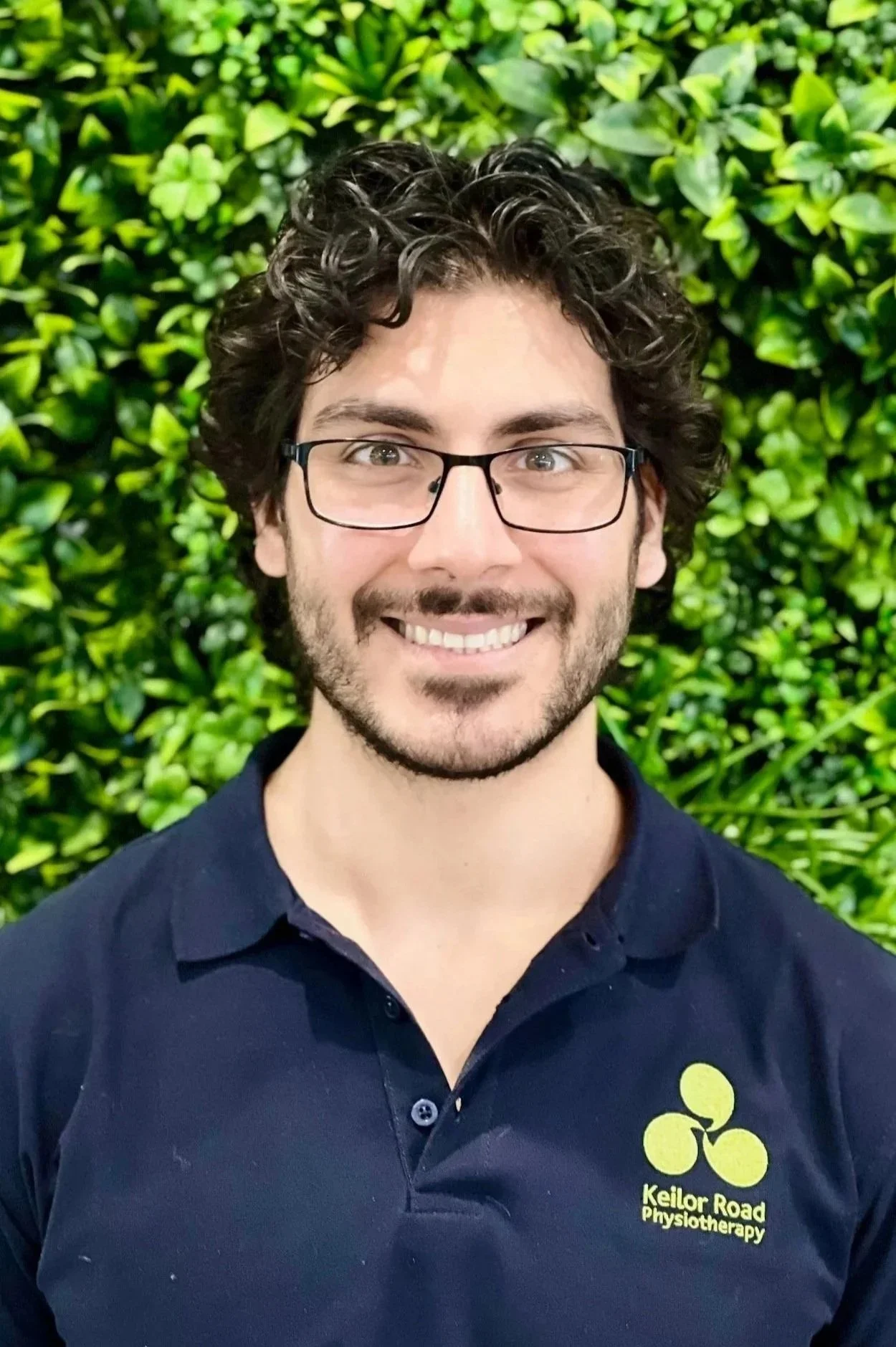
Giuliano Cricenti - Physiotherapist
Shoulder & Sports Injury Specialist
Specialist expertise in shoulder, hip/groin, knee and foot/ankle injuries
Masters of Physiotherapy (Swinburne University)
Background in Biomedicine (Monash University)
Strength and conditioning expert (Cert IV Personal Training)
Expert in post-operative shoulder rehabilitation
Competitive swim coach - understanding of overhead athletes
Goal-directed rehabilitation planning
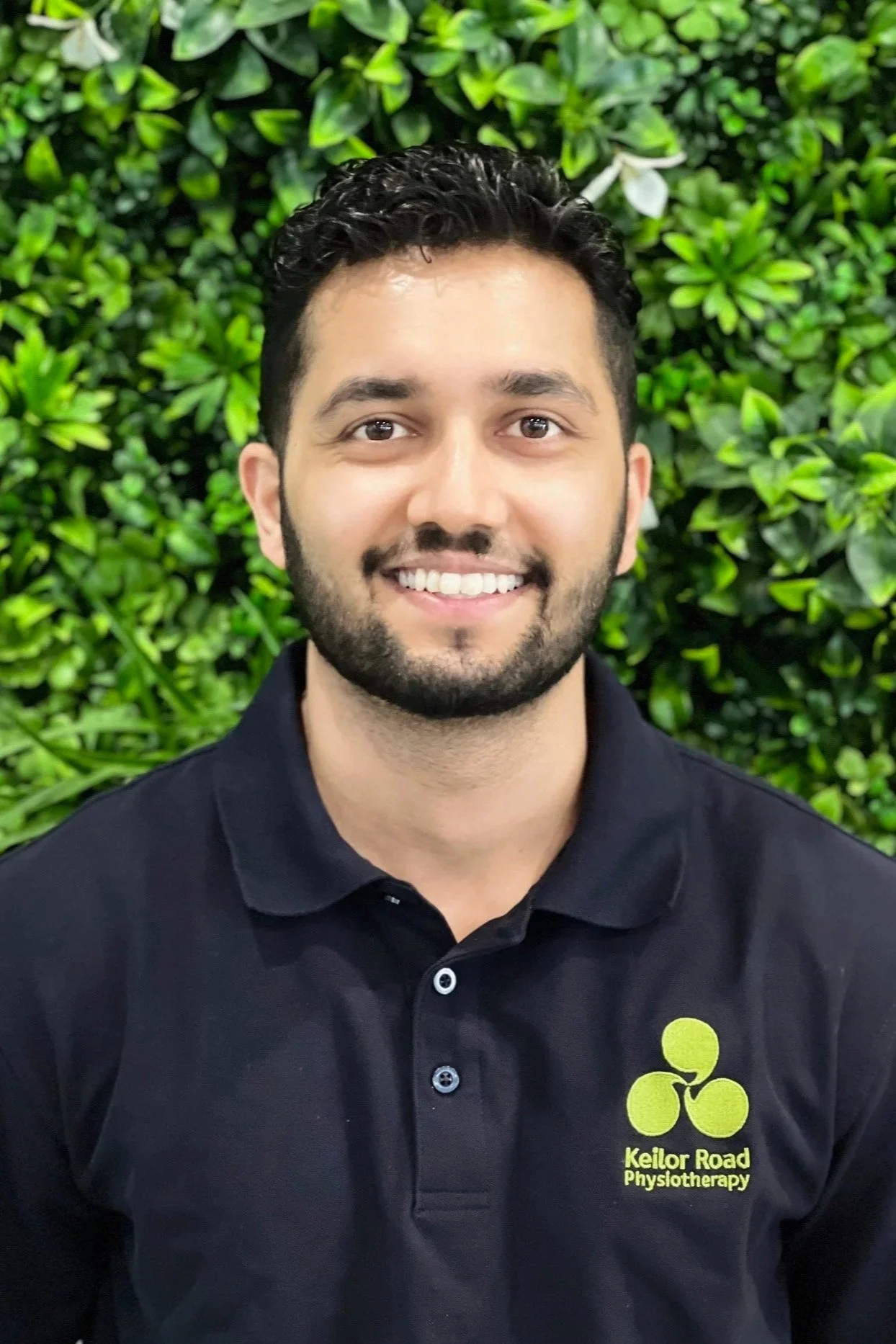
Avit Vaghela - Senior Physiotherapist
Sports Physiotherapy & Rehabilitation Specialist
Masters in Physiotherapy (University of Canberra)
Bachelor in Exercise and Sport Science (Exercise Physiology major)
St. Kilda Football Club experience (NGA program)
Expert in exercise prescription for shoulder rehabilitation
Combines manual therapy with evidence-based strengthening
Tailored management planning for individual goals
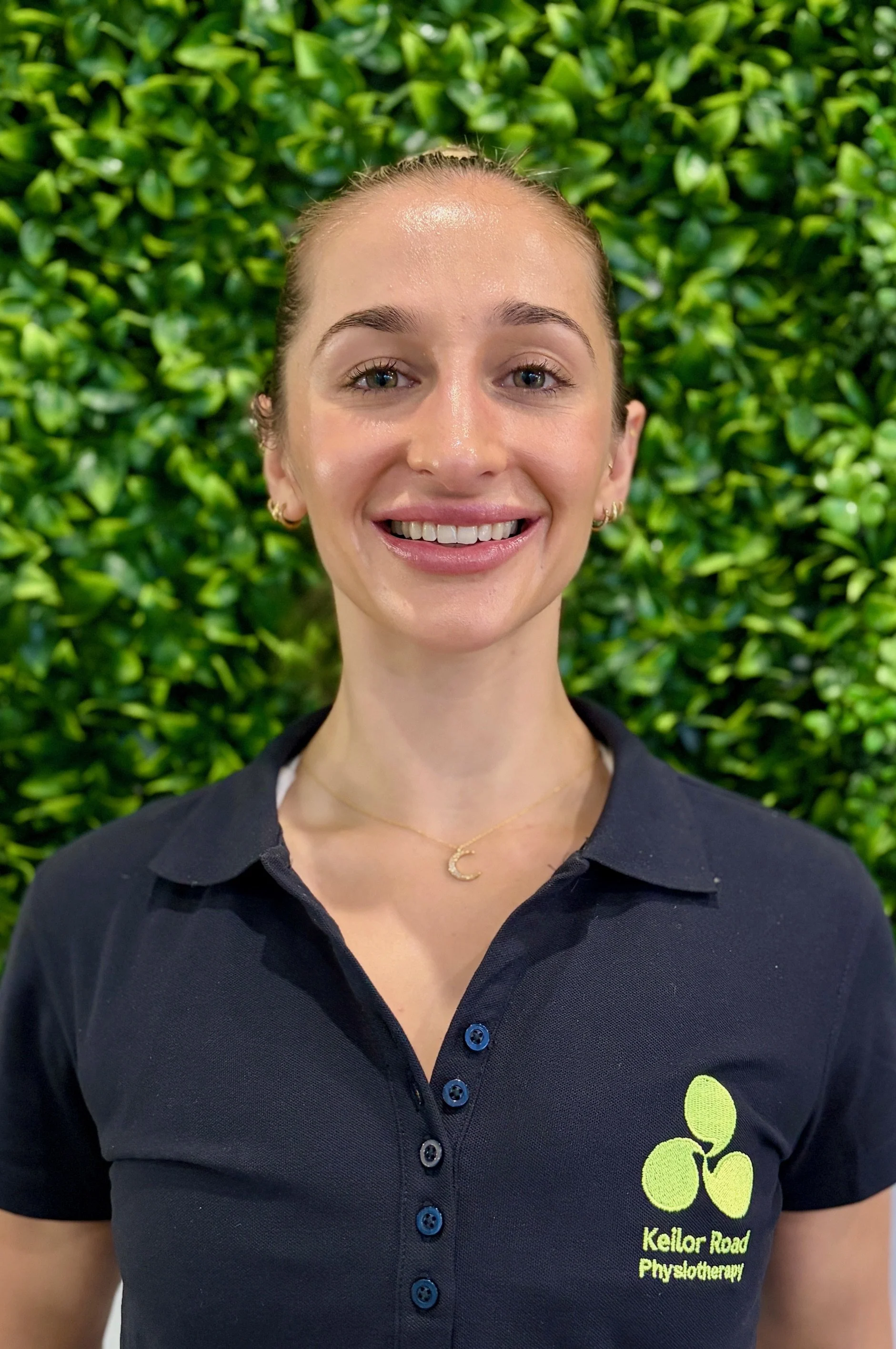
Erin Mahoney - Physiotherapist
Shoulder Rehabilitation & Strength Specialist
Masters in Physiotherapy (La Trobe University)
Bachelor in Exercise and Applied Science
Gymnastics background (overhead sport expertise)
Completed ASCA Level 1 Strength & Conditioning
Holistic approach to shoulder rehabilitation
Wide range of manual therapy and exercise prescription skills
Comprehensive Shoulder & Cervical Assessment
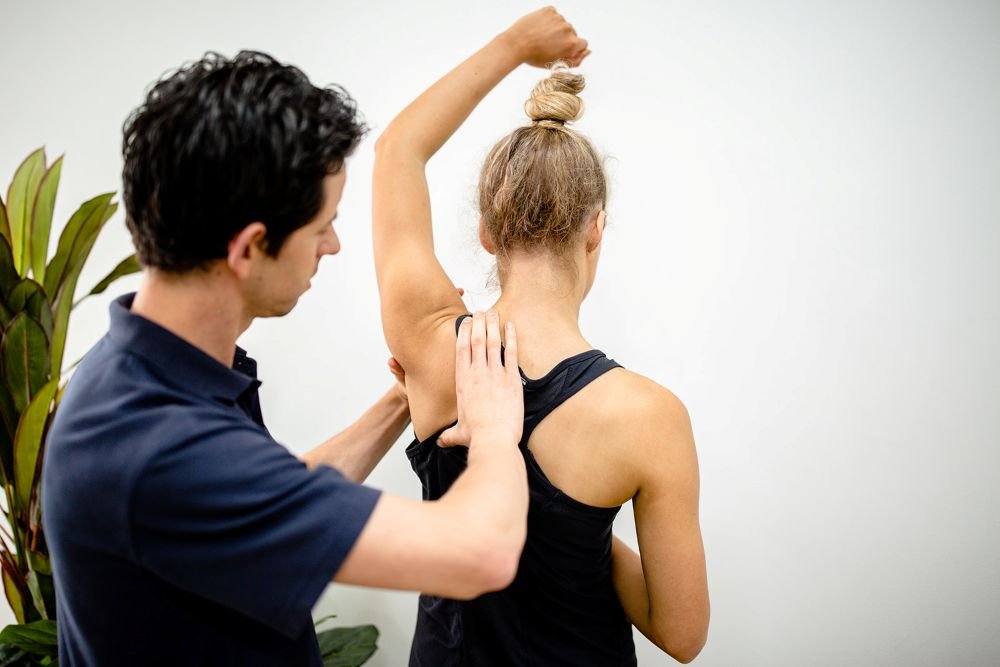
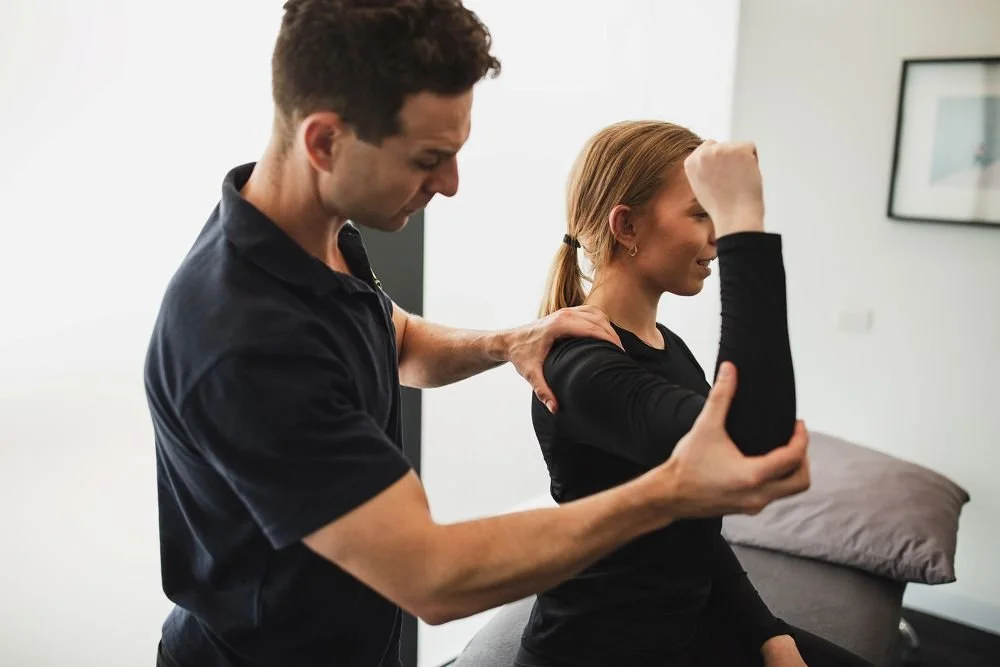
Cervical and shoulder assessment being performed
Identifying Hidden Causes of Shoulder Pain
Many shoulder pain cases have a cervical spine (neck) component that contributes to symptoms - but this is often missed by conventional shoulder examinations. Our comprehensive assessment includes thorough cervical spine evaluation to identify whether your neck is contributing to your shoulder pain.
How Cervical Assessment Helps Shoulder Conditions:
Cervical referral patterns: Identify if neck dysfunction is causing shoulder pain
True vs. referred pain: Differentiate between shoulder joint problems and neck-referred symptoms
Nerve involvement: Assess for cervical nerve root contribution to arm/shoulder pain
Comprehensive assessment: Evaluate both shoulder and cervical spine systematically
Targeted treatment: Address all contributing factors for complete recovery
Common Scenarios:
Many patients with "shoulder pain" actually have:
Cervical spine dysfunction referring pain to shoulder region
Combined neck and shoulder problems requiring treatment of both areas
Nerve irritation from neck causing shoulder/arm symptoms
Postural dysfunction affecting both cervical spine and shoulder mechanics
Our comprehensive assessment identifies these complex patterns that would otherwise be missed.
Advanced AxIT Shoulder Strength Testing
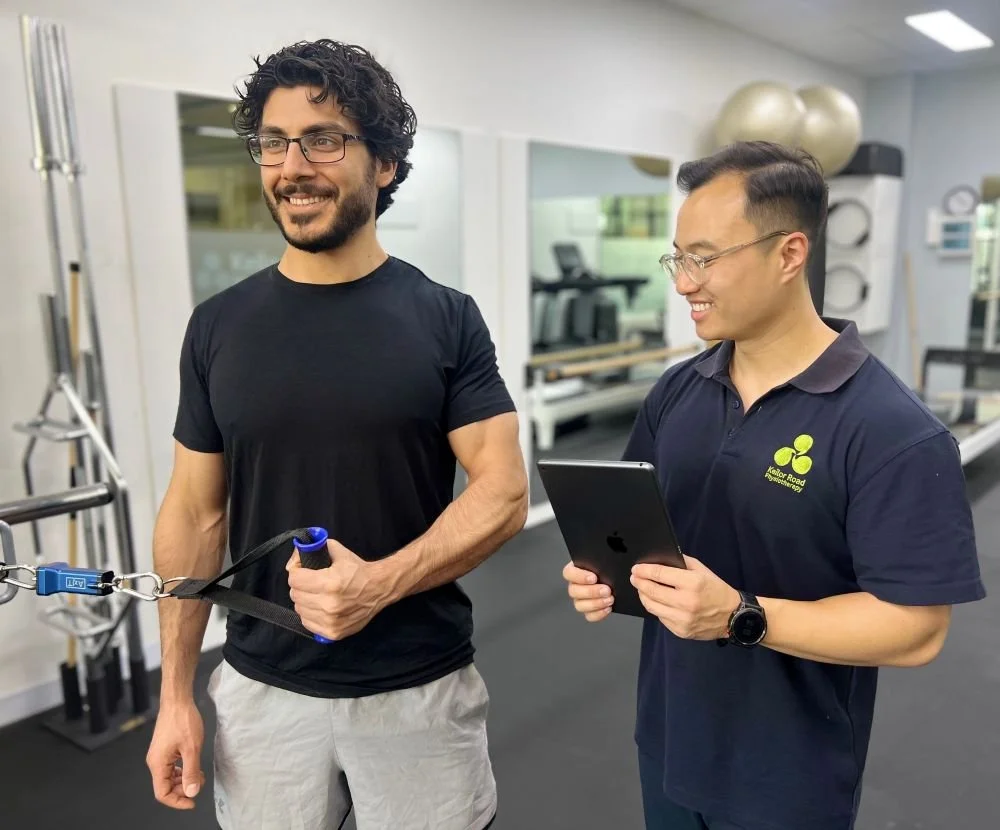
AxIT dynamometry testing for rotator cuff strength
Objective Measurement for Complete Shoulder Recovery
Traditional shoulder assessments rely on subjective manual muscle testing that can miss subtle strength deficits. Our AxIT dynamometry system provides objective, measurable data about your shoulder strength and function.
AxIT for Shoulder Assessment:
The AxIT dynamometry equipment measures:
Rotator cuff strength in all directions (external rotation, internal rotation, abduction)
Shoulder blade (scapular) muscle strength
Left-right shoulder symmetry to identify imbalances
Baseline measurements to track recovery progress
Post-operative strength recovery after rotator cuff surgery
Return-to-sport readiness with objective criteria
Specific muscle weakness patterns guiding targeted exercises
Why AxIT Matters for Shoulder Treatment:
Rotator cuff injuries: Measures specific strength deficits to guide rehabilitation
Post-surgical recovery: Tracks strength restoration after rotator cuff repair
Impingement syndrome: Identifies muscle imbalances contributing to symptoms
Throwing athletes: Measures external/internal rotation ratios critical for overhead sports
Prevention of re-injury: Ensures complete strength recovery before returning to activities
Evidence-Based Return to Sport:
Research shows specific strength thresholds required for safe return to overhead activities. AxIT testing ensures you meet these criteria objectively.
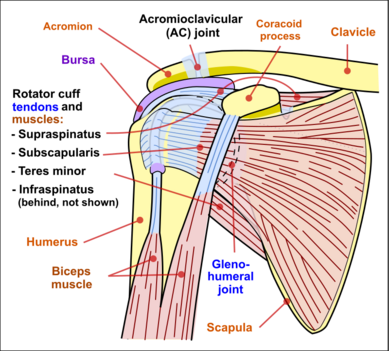
Anatomical illustration of shoulder showing rotator cuff, labrum, bursa, AC joint
Comprehensive Shoulder Conditions Treated
Rotator Cuff Injuries
Tears & Tendinopathy
- Rotator cuff tendinopathy
- Partial rotator cuff tears
- Full thickness rotator cuff tears
- Supraspinatus tendinopathy
- Infraspinatus and teres minor injuries
- Subscapularis tears
- Post-operative rotator cuff repair rehabilitation
Impingement & Bursitis
Structural Problems
- Subacromial impingement syndrome
- Internal impingement (throwing athletes)
- Subacromial bursitis
- Calcific tendinitis
- Shoulder impingement from poor mechanics
Shoulder Instability
Labral & Ligament Injuries
- Shoulder dislocation (anterior, posterior)
- Recurrent shoulder instability
- Labral tears (SLAP lesions)
- Bankart lesions
- Multidirectional instability
- Post-surgical stabilisation rehabilitation
Frozen Shoulder & Stiffness
Adhesive Conditions
- Adhesive capsulitis (frozen shoulder)
- Post-fracture shoulder stiffness
- Post-operative shoulder stiffness
- Capsular restrictions
- Limited range of motion
AC Joint & Collar Bone Problems
Joint Injuries
- AC joint sprains and separations
- AC joint arthritis
- Distal clavicle osteolysis
- Post-surgical AC joint reconstruction
Other Shoulder Conditions
Complex & Chronic
- Biceps tendinopathy
- SLAP tears
- Thoracic outlet syndrome
- Scapular dyskinesis (shoulder blade dysfunction)
- Cervicogenic shoulder pain (neck-related)
- Nerve-related shoulder/arm pain
- Postural shoulder pain
Post-Operative Rehabilitation
Surgical Recovery
- Rotator cuff repair
- Shoulder arthroscopy
- Labral repair
- Shoulder stabilisation surgery
- Subacromial decompression
- AC joint reconstruction
- Shoulder replacement (total and reverse)
- Fracture fixation
Sport-Specific Shoulder Injuries
Overhead Sport Conditions
- Swimming shoulder injuries
- Throwing injuries (cricket, baseball)
- Tennis and racquet sport shoulders
- Netball shoulder problems
- AFL shoulder injuries
- Gym and weightlifting injuries
Evidence-Based Treatment Approach

Manual Therapy & Joint Mobilisation
Shoulder joint mobilisation for stiffness
Soft tissue release (rotator cuff, trapezius, pectorals)
Trigger point therapy
Dry needling for muscle tension
Scapular mobilisation techniques
Neural mobilisation for nerve symptoms
Cervical spine treatment when indicated
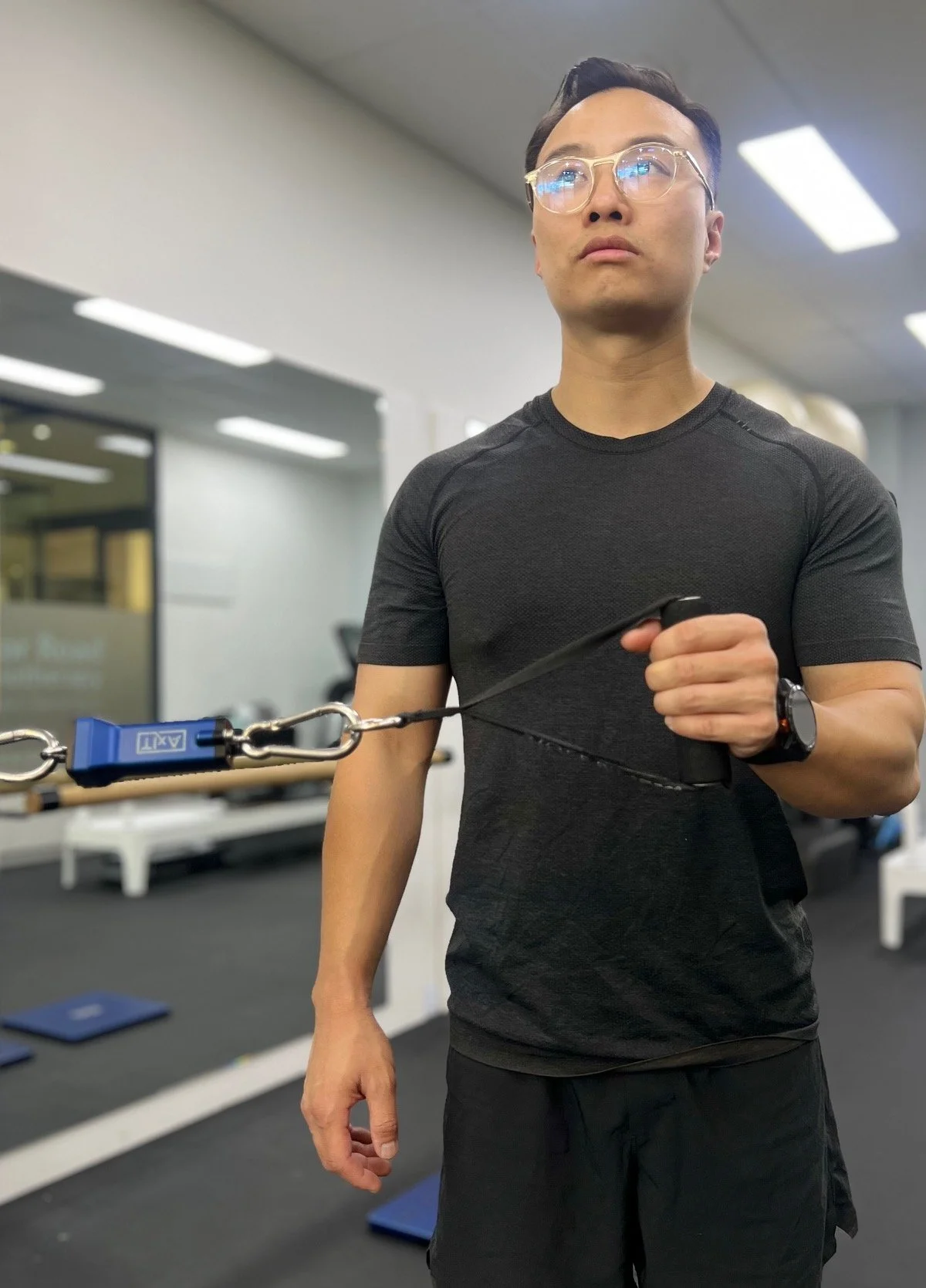
AxIT-Guided Rotator Cuff Strengthening
Objective baseline strength assessment
Progressive resistance training guided by AxIT data
Specific rotator cuff strengthening (external rotation priority)
Scapular stabiliser strengthening
Left-right symmetry correction
Regular reassessment to track progress
Evidence-based strength targets for return to sport
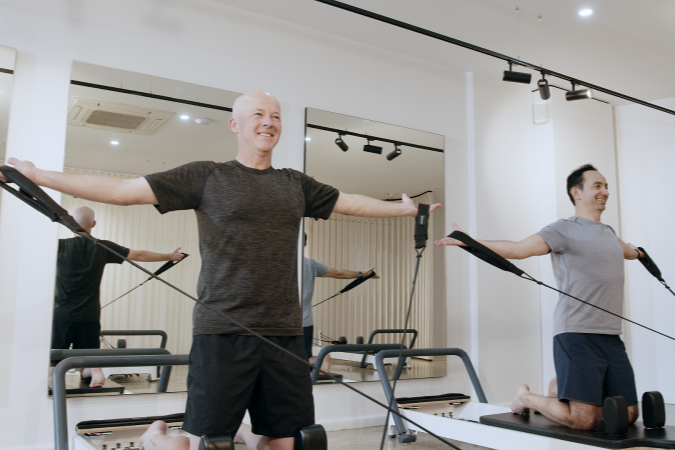
Clinical Pilates for Shoulder Stability
APPI-certified Pilates instruction
Core and scapular integration exercises
Movement control and coordination
Postural correction for shoulder mechanics
Low-impact rehabilitation option
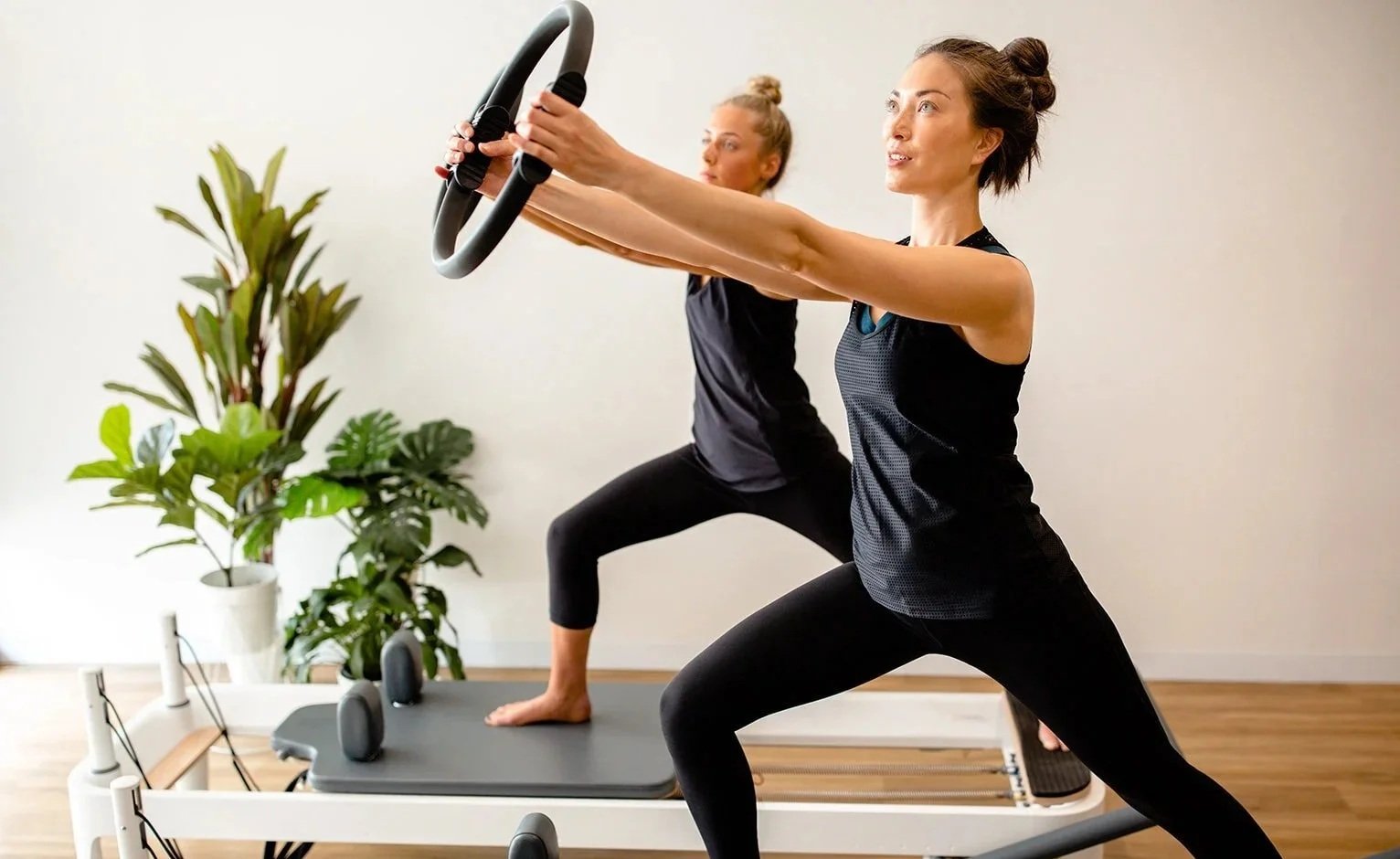
Sport-Specific Rehabilitation
Overhead throwing mechanics training
Swimming technique optimisation
Tennis/racquet sport conditioning
Gym exercise modification and progression
Return to sport protocols
Injury prevention programs
Expert Post-Operative Shoulder Rehabilitation
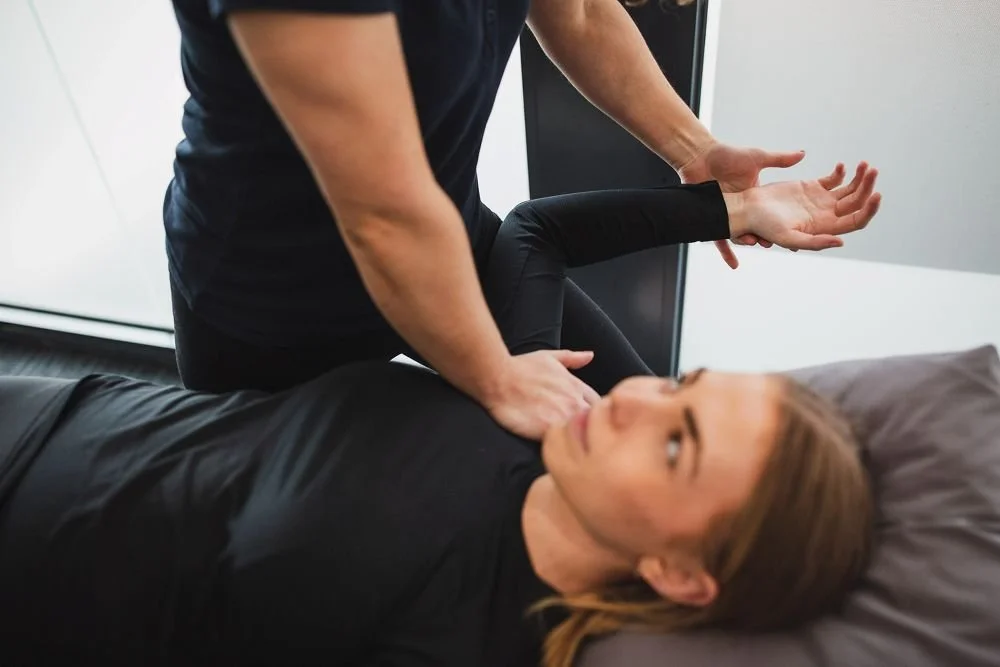
Physiotherapist working with post-operative patient doing shoulder exercises
Specialist-Level Surgical Recovery
We provide comprehensive pre and post-operative rehabilitation for all shoulder surgeries, working in collaboration with orthopedic surgeons across Melbourne's northwest.
Rotator Cuff Repair Rehabilitation
Our evidence-based protocol follows surgeon-specific guidelines:
- Phase 1 (0-6 weeks): Protection, passive range of motion, pain management
- Phase 2 (6-12 weeks): Active range of motion, gentle strengthening
- Phase 3 (3-6 months): Progressive strengthening with AxIT monitoring
- Phase 4 (6-12 months): Return to activity and sport-specific training
Coordination with surgeon for clearance decisions
Other Shoulder Surgeries We Rehabilitate
- Shoulder arthroscopy for impingement
- Labral repair (SLAP, Bankart)
- Shoulder stabilisation procedures
- AC joint reconstruction
- Biceps tenodesis
- Shoulder replacement (total and reverse)
- Subacromial decompression
Orthopedic Surgeon Partnerships
We maintain strong relationships with Melbourne's most trusted orthopedic surgeons ensuring:
- Pre-operative conditioning ("prehab") to optimise outcomes
- Adherence to surgeon-specific protocols
- Regular progress reports to surgical team
- Objective AxIT strength data for decision-making
- Seamless communication throughout recovery
Why Choose KRP for Shoulder Treatment?
Comprehensive Cervical Assessment
Identify cervical spine contributions to shoulder pain that conventional assessments miss - ensuring all contributing factors are addressed for complete recovery.
Advanced AxIT Strength Testing
Objective rotator cuff and shoulder strength measurement guides rehabilitation, tracks progress with measurable data, and determines safe return to activity.
Expert Post-Operative Care
Comprehensive rehabilitation protocols for all shoulder surgeries with strong orthopedic surgeon partnerships for coordinated care.
Sports Physiotherapy Expertise
Football team physiotherapists and sports trainers with extensive experience treating overhead sport shoulder injuries and facilitating return to sport.
Comprehensive Rehabilitation Facilities
State-of-the-art onsite exercise studio with specialised equipment for progressive shoulder strengthening and functional training.
Over 90% Success Rate
More than 90% of our shoulder patients achieve significant improvement and return to full function with our evidence-based approach.
What to Expect at Your Assessment
Initial Shoulder Assessment
40 minutes- Comprehensive shoulder injury history and functional limitations
- Physical examination including range of motion, strength, and special tests
- Comprehensive cervical spine assessment for neck contribution
- AxIT strength testing for rotator cuff and shoulder muscles (when appropriate)
- Scapular movement and postural assessment
- Review of imaging if available (MRI, ultrasound, X-ray)
- Clear diagnosis with explanation of findings
- Customised treatment plan with realistic timeline
- Immediate hands-on treatment
- Home exercise program
Follow-Up Treatment Sessions
20-40 minutes- Progressive manual therapy and joint mobilisation
- Cervical spine treatment if neck component identified
- AxIT-guided rotator cuff strengthening
- Scapular stabilisation exercises
- Sport-specific or functional rehabilitation
- Regular reassessment with AxIT to track progress
- Treatment plan adjustments based on objective data
- Coordination with orthopedic surgeon for post-operative cases
Quick Answers to Common Questions
-
Recovery timelines vary:
Tendinopathy (no tear): 8-12 weeks with progressive strengthening
Partial tears: 12-16 weeks for conservative management
Post-surgical repair: 6-12 months for full recovery and return to sport
Frozen shoulder: 12-18 months is typical natural history, physiotherapy can reduce duration
-
Many rotator cuff injuries respond well to physiotherapy without surgery, particularly partial tears and tendinopathy. We provide conservative management trials and coordinate with orthopedic surgeons if surgery becomes necessary.
-
Frozen shoulder (adhesive capsulitis) involves progressive stiffness and pain in the shoulder. We provide gentle mobilisation, pain management, and progressive stretching to improve range of motion and reduce recovery time.
-
Our comprehensive assessment can identify if your neck is contributing to shoulder symptoms by specifically examining cervical spine dysfunction and reproducing your pain patterns. Many "shoulder" problems have cervical components.
-
Overhead sports typically require 9-12 months post-surgery. You must demonstrate adequate rotator cuff strength (measured by AxIT), pain-free range of motion, and good throwing/movement mechanics before clearance.
-
Impingement occurs when structures in your shoulder joint are compressed during movement, typically involving the rotator cuff and bursa rubbing against the acromion bone. It's often caused by muscle imbalances, poor posture, or structural factors.
-
Yes! AxIT provides objective measurement of your rotator cuff strength, tracks improvements over time, identifies specific weaknesses to target, and determines when you've achieved adequate strength for return to activities.
-
No referral is needed. However, a GP referral allows Medicare rebates through a Chronic Disease Management plan, and may be required for coordination with orthopedic surgeons if surgery is needed.
-
We work with Medicare CDM plans with a small gap payment and accept all private health insurance. On-the-spot rebates available for eligible patients.
Book Your Shoulder Assessment Today
Don't let shoulder pain limit your activities or delay your recovery from surgery. Our shoulder specialists combine comprehensive biomechanical assessment with advanced AxIT strength testing to deliver precise diagnosis and measurable results.
Same-day appointments available for acute shoulder injuries.
Servicing: Keilor, Niddrie, Essendon, Airport West, and Melbourne's northwest suburbs for over 40 years.
Call: (03) 9379 4557
Clinic Hours: Monday: 7:00 AM - 8:00 PM Tuesday: 8:00 AM - 6:00 PM Wednesday: 7:00 AM - 8:00 PM Thursday: 7:00 AM - 8:00 PM Friday: 7:00 AM - 5:00 PM Saturday: 8:00 AM - 12:00 PM Sunday: Closed
Expert shoulder care with advanced AxIT strength testing. Post-operative rehabilitation expertise with orthopedic surgeon partnerships. Sports physiotherapy experience and over 90% success rate.