Dry Needling Physiotherapy in Niddrie | Muscle Pain, Sports Injuries & Headaches
Keilor Road Physiotherapy, provides expert dry needling physiotherapy for patients from Niddrie, Essendon, Moonee Ponds, Airport West, Keilor East, Strathmore, Aberfeldie and Melbourne's north-west, helping treat muscle pain, sports injuries, headaches, TMJ dysfunction, neck pain, back pain and tendon injuries.
What is dry needling?
Dry needling is a therapeutic technique where fine needles are inserted into specific points within a muscle, often referred to as "trigger points." These trigger points are hyper-irritable spots within the muscle, which can cause pain and restrict movement. Unlike acupuncture, which is based on traditional Chinese medicine principles, dry needling is rooted in modern Western medicine, focusing on musculoskeletal issues such as muscle tension, pain, and injury rehabilitation (Dommerholt & Fernández-de-las-Peñas, 2013).
The goal of dry needling is to release or inactivate trigger points, relieve pain, and restore normal muscle function. This technique is particularly useful for treating conditions that involve muscle tightness, spasms, and chronic pain, helping to improve muscle flexibility and range of motion.
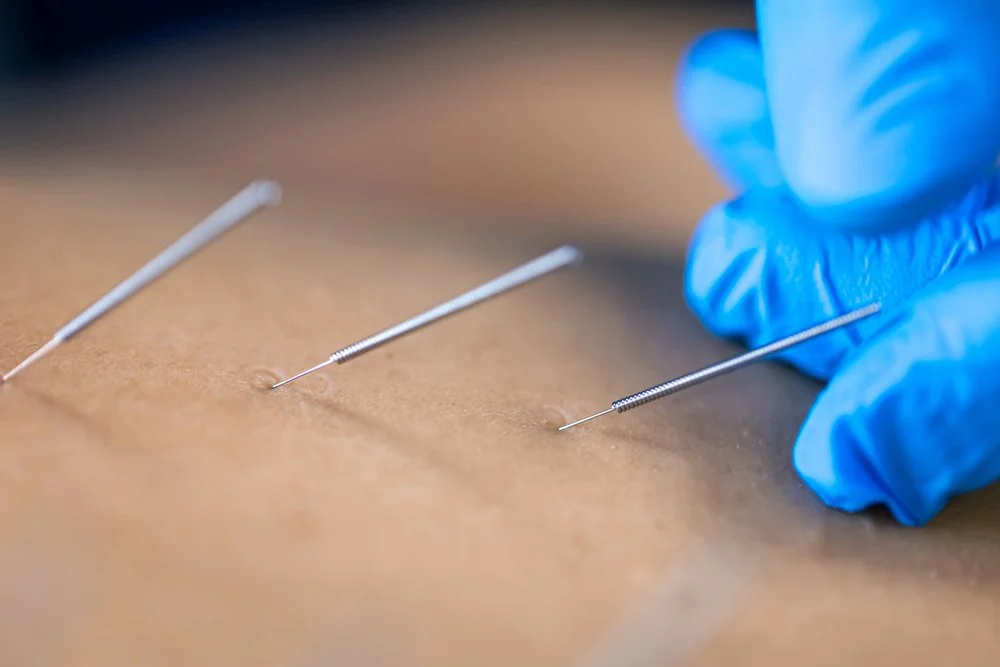
Dry needling physio Niddrie.
What conditions is dry needling used for?
Dry needling is effective in treating a variety of musculoskeletal conditions, including:
Dry needling for neck pain: Chronic or acute pain due to muscle tightness, poor posture, or injury.
Dry needling for back pain: Muscle tension, postural dysfunction and injury causing acute or ongoing pain.
Dry needling for shoulder pain: Conditions such as rotator cuff injuries, shoulder impingement, or frozen shoulder.
Dry needling for headaches and migraines: Tension headaches and migraines often originate from tight muscles in the neck and shoulders.
Dry needling for myofascial pain syndrome: A chronic condition affecting the fascia, the connective tissue that covers the muscles and can effectively treated using trigger point dry needling.
Dry needling for tendinopathies: Tendon-related issues, such as Achilles tendinitis or tennis elbow.
Dry needling for hip and knee pain: Including conditions like hip bursitis, iliotibial band syndrome, or patellofemoral pain.
Dry needling for plantar fasciitis: Heel pain due to inflammation of the plantar fascia, which may benefit from releasing tight calf muscles.
A systematic review by Kietrys et al. (2013) has demonstrated that dry needling can significantly reduce pain and disability in patients with upper-body myofascial pain, making it an effective part of a broader treatment plan for various musculoskeletal disorders.
Dry Needling for TMJ (Jaw Pain), Jaw Clicking & TMJ Headaches
Can Dry Needling Help TMJ Dysfunction?
Yes. Dry needling is an effective physiotherapy treatment that may help reduce pain, muscle tension and restricted movement associated with temporomandibular joint (TMJ) dysfunction. It is commonly used to treat jaw pain, jaw clicking, jaw locking, facial pain, TMJ headaches and muscle tightness affecting the muscles that control jaw movement.
At Keilor Road Physiotherapy, dry needling physiotherapy in Melbourne is used as part of a comprehensive TMJ physiotherapy treatment plan. Following a thorough assessment, your physiotherapist will determine whether dry needling for TMJ is appropriate and combine it with evidence-based treatments such as manual therapy, jaw rehabilitation exercises, postural correction and education to address the underlying cause of your symptoms.
Dry needling works by targeting overactive muscles and myofascial trigger points that commonly contribute to TMJ dysfunction, including the masseter, temporalis, medial and lateral pterygoid muscles (where appropriate), sternocleidomastoid, upper trapezius and surrounding neck muscles. By reducing excessive muscle tension and improving muscle function, dry needling may help restore comfortable jaw movement and reduce associated pain.
Many people seeking dry needling for jaw pain also experience headaches, neck pain or facial tension. Because the jaw and cervical spine work closely together, your physiotherapist will also assess your neck, posture and movement patterns to ensure all contributing factors are identified and treated.
Dry Needling May Help Treat:
TMJ dysfunction (TMD)
Jaw pain and stiffness
Jaw clicking or popping
Jaw locking or restricted opening
TMJ headaches
Facial muscle pain
Teeth grinding (bruxism)-related muscle tension
Neck pain associated with TMJ dysfunction
Muscle trigger points affecting jaw function
Our experienced physiotherapists regularly assess and treat patients experiencing TMJ dysfunction, jaw pain and TMJ headaches using:
Dry needling Niddrie
Dry needling Essendon
Dry needling Moonee Ponds
Dry needling Airport West
Dry needling Keilor East
Dry needling Strathmore
Dry needling Aberfeldie and surrounding Melbourne suburbs. If you're looking for dry needling for TMJ in Melbourne, we provide personalised, evidence-based care designed to relieve pain, improve jaw function and support long-term recovery.
What are the benefits of dry needling?
The benefits of expert dry needling treatment extend beyond pain relief. Here’s how it can support your recovery:
Pain reduction: By targeting the source of muscle tightness or spasm, dry needling helps to reduce both acute and chronic pain.
Improved muscle function: Releasing tight muscles allows for improved function, flexibility, and range of motion, which is essential for optimal recovery from injury.
Enhanced healing: Dry needling stimulates blood flow to the treated area, promoting the healing of muscle tissues.
Reduction of muscle tension: It helps relieve muscle knots and spasms, making it particularly useful for patients dealing with stress-related muscle tension.
Increased mobility: Patients often experience an immediate improvement in range of motion after a session, making it beneficial for those with movement restrictions.
Faster recovery: Combining dry needling with other treatments like exercise therapy can accelerate recovery from sports injuries or chronic pain conditions.
Cagnie et al. (2013) found that dry needling effectively decreases muscle tightness and helps reduce pain in people suffering from chronic muscle tension or myofascial pain syndrome, supporting its use as a treatment for long-term pain relief.
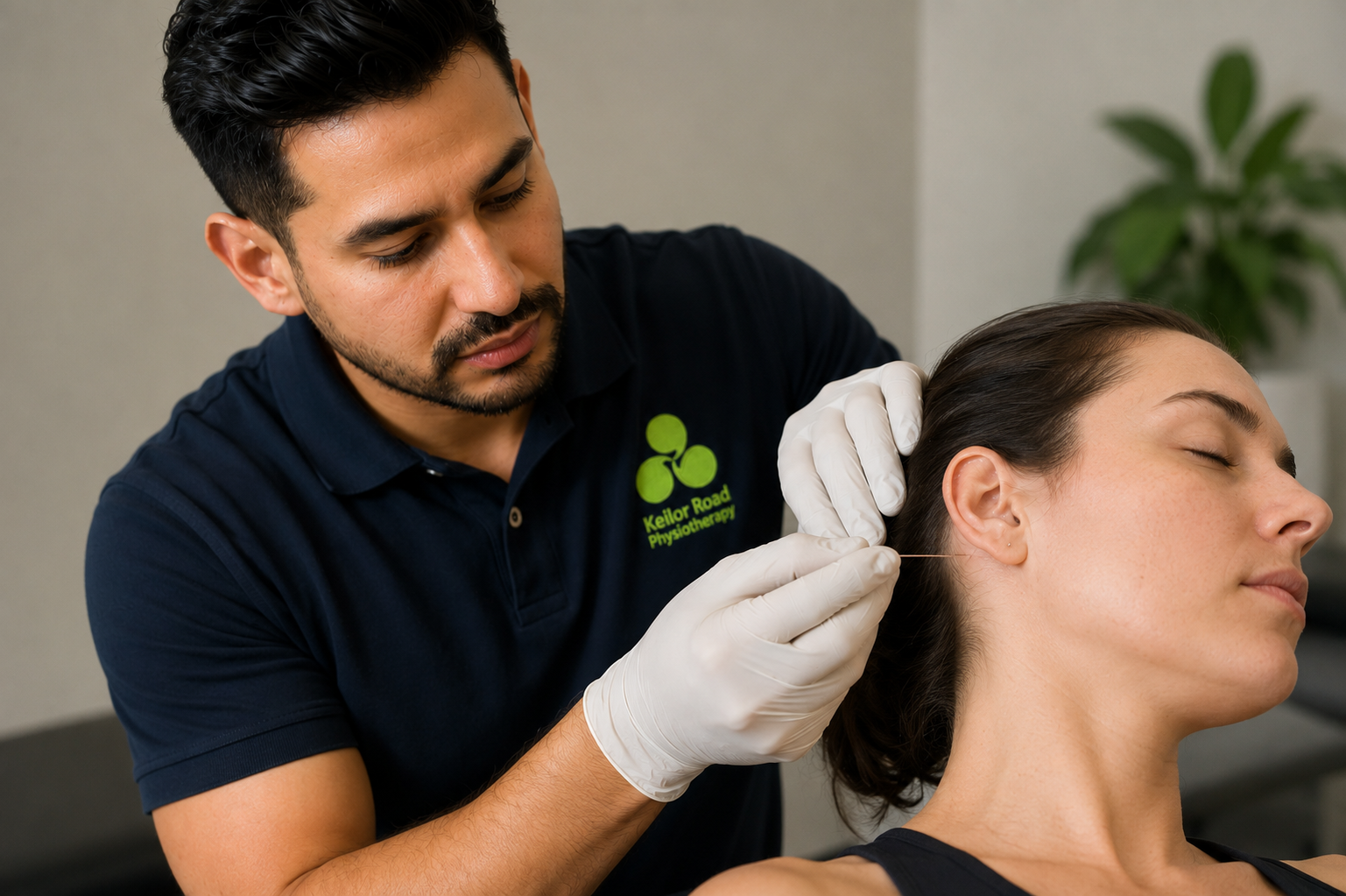
Expert dry needling for muscle pain, sports injuries, headaches, TMJ dysfunction, neck pain, back pain and tendon injuries.
Who is suitable for dry needling?
Most people suffering from muscle tightness, pain, or limited mobility can benefit from dry needling. It is suitable for:
Athletes: To address muscle tightness or sports-related injuries, dry needling for sports injuries is highly effective.
Office workers: For managing neck, shoulder, and back pain often caused by poor posture or long hours sitting.
Chronic pain sufferers: People dealing with long-term conditions like fibromyalgia or myofascial pain syndrome.
Active individuals: Anyone experiencing muscle tightness, spasms, or discomfort related to overuse or strain.
However, dry needling may not be suitable for everyone. Pregnant women, individuals with blood clotting disorders, or those with a history of needle phobia should consult their healthcare provider or physiotherapist before considering dry needling (Dommerholt & Fernández-de-las-Peñas, 2013).
Does dry needling hurt?
The sensation of dry needling can vary depending on the individual and the area being treated. Generally, most patients report minimal discomfort during the insertion of the needles. Once the needle reaches the trigger point, you may feel a mild muscle twitch, which is normal and indicates the muscle is responding to the treatment.
After a session, it's common to experience mild soreness or an achy feeling, similar to post-exercise muscle soreness. This typically lasts for 24-48 hours and can be managed with self-care strategies like light stretching or applying heat.
What are the risks of dry needling?
When performed by a trained and experienced physiotherapist, dry needling is a safe treatment. However, like any treatment, there are potential risks, including:
Temporary soreness: The treated muscles may feel sore for 24-48 hours after treatment.
Bruising: Minor bruising may occur, particularly in areas with more delicate tissues.
Fatigue: Some patients may feel tired after a session, especially if multiple areas are treated.
Dizziness or fainting: Rare, but some people may experience dizziness, especially if they are anxious about needles.
By following post-treatment care instructions, these side effects can be minimized (Gattie et al., 2017).
Self-care after a dry needling session
To ensure you get the most out of your dry needling treatment and to reduce any soreness, it’s important to follow these self-care tips:
Apply heat: Applying heat to the treated area can help soothe any muscle soreness.
Stay hydrated: Drinking plenty of water can help flush out toxins released during the treatment.
Avoid strenuous activity: It’s important to avoid intense exercise or heavy lifting for at least 24 hours after your session.
Light stretching: Gentle stretching exercises can help keep the muscles relaxed and prevent tightness from returning.
Listen to your body: If you feel fatigued or sore, allow your body time to rest and recover.
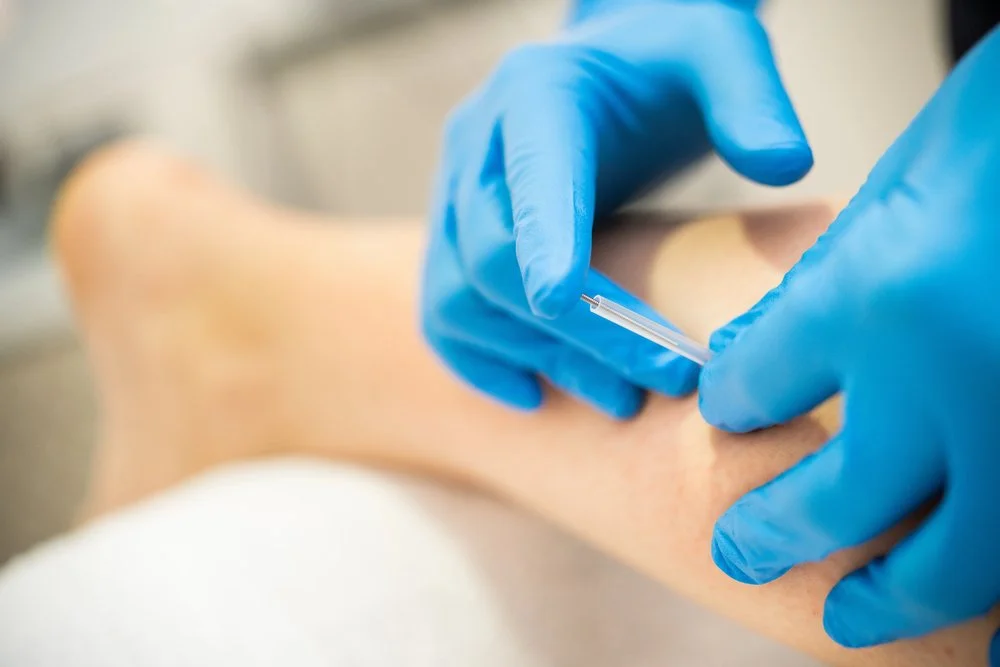
Dry needling physiotherapy near me.
Why Choose Keilor Road Physiotherapy for Dry Needling?
At Keilor Road Physiotherapy, we’re renowned for sports physiotherapy in Melbourne and we incorporate dry needling into our muscle pain physiotherapy to address specific muscle trigger points and tension. Our team of experienced physiotherapists ensures each patient receives personalised care, targeting the root cause of pain. Whether you are from Essendon, Niddrie, Moonee Ponds, Keilor, Keilor East, or Tullamarine, physiotherapist dry needling here at Keilor Road Physiotherapy can help you achieve long-lasting pain relief and improved mobility.
If you’re experiencing muscle pain, tightness, or discomfort, dry needling may be the solution for you. At Keilor Road Physiotherapy, our experienced team is here to help you feel your best. Contact us today on (03) 93794557 to book your consultation and start your recovery journey with a personalised dry needling treatment plan.
Frequently Asked Questions About Dry Needling
What is dry needling?
Dry needling is an evidence-based physiotherapy technique that uses fine, sterile needles to treat myofascial trigger points and tight muscles. It helps reduce pain, improve movement and restore muscle function. At Keilor Road Physiotherapy, dry needling is always combined with a thorough assessment and personalised rehabilitation program.
How does dry needling work?
Dry needling works by inserting fine needles into tight muscles and myofascial trigger points to reduce pain, improve muscle function and restore normal movement. It is commonly used by physiotherapists to treat muscle pain, sports injuries, TMJ dysfunction, headaches and other musculoskeletal conditions as part of a comprehensive rehabilitation program.
What conditions can dry needling help treat?
Dry needling may help treat a wide range of musculoskeletal conditions, including neck pain, back pain, shoulder pain, sports injuries, tendon pain, TMJ dysfunction, jaw pain and headaches. Your physiotherapist will assess your condition and determine whether dry needling is the right treatment for you.
Can dry needling help TMJ dysfunction?
Yes. Dry needling may reduce muscle tension, jaw pain, TMJ headaches and restricted jaw movement associated with TMJ dysfunction. It is most effective when combined with manual therapy, jaw exercises and physiotherapy to address the underlying cause of your symptoms.
Can dry needling help headaches?
Dry needling may help relieve tension headaches, cervicogenic headaches and TMJ-related headaches caused by muscle tension in the jaw and neck. Your physiotherapist will complete a comprehensive assessment to determine whether dry needling is appropriate for your headache.
Does dry needling hurt?
Most people experience only a brief pinching or aching sensation during treatment. A muscle twitch response may occur when a trigger point is treated, which is normal. Mild soreness for up to 48 hours afterwards is common and usually settles quickly.
Is dry needling safe?
Yes. Dry needling is considered safe when performed by a qualified physiotherapist. At Keilor Road Physiotherapy, we use single-use sterile needles and follow strict safety and infection control procedures.
Is dry needling covered by private health insurance?
If your extras cover includes physiotherapy, dry needling is generally included as part of your physiotherapy consultation. The rebate you receive will depend on your health fund and level of cover.
Do I need a referral for dry needling?
No. You do not need a referral to see a physiotherapist for dry needling. We'll complete a thorough assessment, explain your diagnosis and recommend the most appropriate treatment plan for your condition.
Why choose Keilor Road Physiotherapy for dry needling?
Our experienced physiotherapists use dry needling as part of a comprehensive, evidence-based treatment approach. We combine dry needling with manual therapy, exercise rehabilitation and education to help relieve pain, restore movement and reduce the risk of your symptoms returning.
Reference:
Gattie E, Cleland JA, Snodgrass S. The Effectiveness of Trigger Point Dry Needling for Musculoskeletal Conditions by Physical Therapists: A Systematic Review and Meta-analysis. J Orthop Sports Phys Ther. 2017 Mar;47(3):133-149.
Cagnie, B., Dewitte, V., Barbe, T., Timmermans, F., Delrue, N., & Meeus, M. (2013). Physiologic effects of dry needling. Current Pain and Headache Reports, 17(8), 348.
Dommerholt, J., & Fernández-de-las-Peñas, C. (2013). Trigger point dry needling: An evidence and clinical-based approach. Elsevier Health Sciences.
Kietrys, D. M., Palombaro, K. M., & Azzaretto, E. (2013). Effectiveness of dry needling for upper-quarter myofascial pain: A systematic review and meta-analysis. Journal of Orthopaedic & Sports Physical Therapy, 43(9), 620-634.