Melbourne's Running Injury Specialists

Elite Marathon Expertise Meets Advanced Biomechanical Analysis - AxIT Testing & Video Gait Analysis

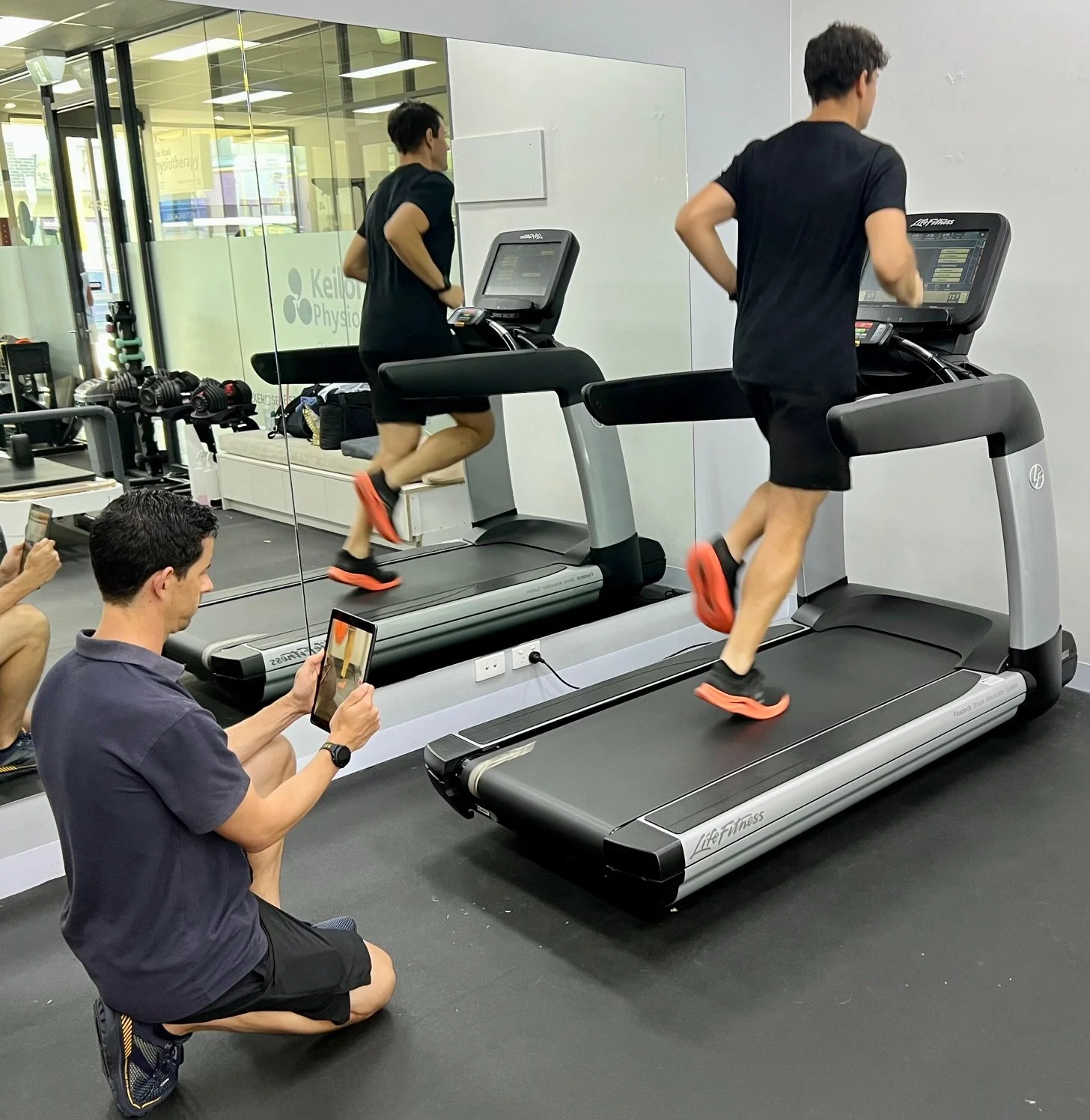
Physiotherapist performing running assessment with runner on treadmill

At Keilor Road Physiotherapy, running injury specialist Robbie Webb combines elite marathon experience (9x Melbourne Marathon finisher, sub-3 hour twice - top 1% globally) with advanced AxIT strength testing and comprehensive video gait analysis. Whether you're recovering from injury, training for your first 5K, or chasing a marathon PB, our evidence-based approach delivers results. With a 93% success rate and scientific return-to-running protocols, we keep runners running.

The only running assessment in Melbourne combining elite marathon expertise with AxIT strength testing.


Meet Your Running Injury Specialist

Robbie Webb - Sports Physiotherapist

Running Injury & Performance Specialist

Elite Running Credentials:

  • 9x Melbourne Marathon finisher

  • Sub-3 hour marathon (2:54) - top 1% of global marathon finishers

  • Masters in Sports Physiotherapy (La Trobe University)

  • 15+ years experience treating running injuries

  • Personal understanding of marathon training demands

  • Expert in managing runners through injury while maintaining fitness

Physiotherapy Expertise:

  • Special interest in tendon injuries and chronic pain

  • GLA:D certified for knee osteoarthritis

  • APPI qualified Pilates instructor

  • Head physiotherapist Hamilton Football and Netball Club (6 years)

  • Combines hands-on treatment with progressive strengthening

Why Elite Running Experience Matters:

Robbie understands running from the inside out. Having completed 9 Melbourne Marathons and achieved a sub-3 hour finish twice (top 1% globally), he knows:

  • The physical demands of marathon training

  • How injuries develop during training cycles

  • The mental challenges of injury recovery for runners

  • When you can safely continue running vs when rest is needed

  • How to modify training loads to maintain fitness during rehabilitation

  • The urgency runners feel to return to their training

    This authentic running experience combined with physiotherapy expertise delivers assessment and treatment that pure physiotherapists without running backgrounds simply cannot match.

 
Comprehensive Running Assessment

Comprehensive Running Assessment

Complete 60-Minute Biomechanical Evaluation

$265
1
Goals & Running History
10 minutes
  • Current running goals (5K, half marathon, marathon, general fitness)
  • Training routine and weekly mileage
  • Injury history and current concerns
  • Previous running assessments or physiotherapy
  • Competition schedule and timeline
  • Training surfaces and environments
2
Off-Treadmill Biomechanical Assessment
15 minutes
Physical Examination:
  • Hip, knee, and ankle mobility testing
  • Muscle flexibility assessment (calves, hamstrings, hip flexors, quads)
  • Single-leg balance and stability
  • Foot and ankle structure evaluation
  • Postural analysis
  • Joint range of motion testing
AxIT Strength Assessment where indicated:
  • Lower limb strength testing (quadriceps, hamstrings, glutes, calves)
  • Single-leg strength symmetry measurement (critical for injury prevention)
  • Hip abductor and adductor strength (prevents ITB syndrome, knee pain)
  • Calf strength testing (Achilles tendinopathy prevention)
  • Baseline measurements for progress tracking
  • Identification of strength deficits causing injury risk
Footwear Analysis:
  • Running shoe assessment for wear patterns
  • Shoe type appropriateness for foot structure and running style
  • Recommendations for shoe selection
  • Best running shoes guidance
3
Dynamic Treadmill Gait Analysis
25 minutes
Video Running Analysis:

Using our Life Fitness treadmill with advanced video analysis:

  • Multiple angles (lateral and posterior views)
  • Slow-motion review of running mechanics
  • Foot strike pattern analysis (heel, midfoot, forefoot)
  • Stride length and cadence measurement
  • Hip drop and knee tracking assessment
  • Arm swing and trunk rotation analysis
  • Overstriding identification
Real-Time Feedback:
  • Immediate review of video with Robbie's expert analysis
  • Identification of biomechanical inefficiencies
  • Discussion of injury risk factors in your running form
  • Cueing and technique modifications tested in real-time
4
Findings & Rehabilitation Plan
10 minutes
Comprehensive Report:
  • Clear explanation of biomechanical findings
  • Injury risk factors identified
  • Specific strength deficits and imbalances
  • Running form inefficiencies
  • Customised strengthening exercise program
  • Running technique modifications and cues
  • Training load management recommendations
  • Injury prevention strategies
Return-to-Running Protocols (if injured):
  • Structured progression timeline
  • Modified training plans to maintain fitness
  • Specific milestones and objective criteria
  • AxIT strength testing to guide progression

Ongoing Support

  • Comprehensive take-home report with video analysis
  • Strengthening exercise program with demonstrations
  • Running technique cues and drills
  • Training progression recommendations
  • Access to full physiotherapy services for ongoing injury management
  • Follow-up assessments to track progress

Advanced Running Assessment Technology

AxIT Strength Testing & Video Gait Analysis

Advanced Running Assessment Technology

The same technology used by elite sporting teams to prevent injuries and optimise performance.

AxIT Strength Testing

Objective Injury Risk Identification

Research shows that many running injuries stem from strength deficits and left-right imbalances. AxIT provides objective measurement of muscle strength to prevent injuries before they occur.

Single-Leg Strength Symmetry

  • Identifies left-right strength imbalances (>10% increases injury risk)
  • Common finding: dominant leg may be weaker due to compensations
  • Critical for preventing Achilles tendinopathy, stress fractures, ITB syndrome

Specific Muscle Group Testing

  • Calf strength (Achilles tendinopathy prevention)
  • Quadriceps strength (patellofemoral pain prevention)
  • Hip abductor strength (ITB syndrome and knee pain prevention)
  • Hamstring strength (strain prevention)
Progress Tracking
  • Baseline measurements to track rehabilitation progress
  • Objective return-to-running criteria
  • Measurable data proving strength improvements
  • Safe return to full training verification

Video Gait Analysis

Biomechanical Efficiency

Our Life Fitness treadmill with multi-angle video capture provides detailed visual analysis of your running mechanics to identify inefficiencies and injury risks.

Detailed Movement Analysis

  • Frame-by-frame review of running mechanics
  • Side-by-side comparison of left vs right leg
  • Before/after comparison showing form improvements
  • Visual identification of overstriding, excessive hip drop, poor trunk control

Common Issues Identified

  • Overstriding (increases impact forces, shin splints risk)
  • Excessive hip drop (ITB syndrome, hip pain)
  • Collapsed foot arch (plantar fasciitis, tibialis posterior tendinopathy)
  • Poor arm swing mechanics (energy waste, trunk rotation)
  • Excessive vertical oscillation (wasted energy)
Visual Feedback Benefits
  • See exactly what your body is doing while running
  • Understand the cause of your pain or discomfort
  • Receive specific cues to improve technique
  • Track improvements over time with comparative videos

Data-Driven Injury Prevention

Combining objective strength measurements with detailed video analysis provides the most comprehensive assessment of your running biomechanics and injury risk factors. This technology-backed approach ensures you receive evidence-based recommendations tailored to your specific needs.

 
Running Injuries We Prevent & Treat

Running Injuries We Prevent & Treat

Common Running Injuries

93% Success Rate

👆 Click on the numbered points to explore injury categories

1

Hip & Groin

  • Hip flexor strains
  • Gluteal tendinopathy
  • Trochanteric bursitis
  • Groin pain
2

Upper Leg

  • Hamstring strains and tears
  • Quadriceps strains
  • Muscle imbalances
Injury Locations
Runner Body Diagram
3

Knee Injuries

  • Runner's knee (patellofemoral pain syndrome)
  • ITB syndrome (iliotibial band friction syndrome)
  • Patellar tendinopathy (jumper's knee)
  • Knee tendonitis
4

Lower Leg & Foot

  • Shin splints (medial tibial stress syndrome)
  • Achilles tendinopathy
  • Calf tears and strains
  • Plantar fasciitis (heel pain)
  • Tibialis posterior tendinopathy
  • Stress fractures (foot, shin)

Our Running Rehabilitation Philosophy

Keep Runners Running


We understand that runners need to run - not just for physical fitness but for mental wellbeing. Our approach:

Our Running Rehabilitation Philosophy

Our Running Rehabilitation Philosophy

Keep Runners Running

We understand that runners need to run - not just for physical fitness but for mental wellbeing. Our approach ensures you stay active during recovery while addressing the root cause of your injury.

1

Modified Training During Recovery

Rather than complete rest, we provide alternative strategies to maintain fitness:

  • Alternative training methods (pool running, cycling, elliptical)
  • Modified running programs (reduced volume, intensity, or frequency)
  • Cross-training strategies maintaining cardiovascular fitness
  • Strength training focusing on weak areas
  • Progressive return-to-running protocols
2

Scientific Progression

We use objective criteria, not just time, to guide return to full training:

  • AxIT strength testing showing adequate recovery
  • Pain-free running at progressive distances
  • Successful completion of specific running tests
  • Biomechanical improvements confirmed on video analysis
3

Evidence-Based Methods

Every recommendation is backed by current research and clinical evidence:

  • Video gait analysis identifying biomechanical inefficiencies
  • Strength testing revealing injury risk factors
  • Load management based on proven protocols
  • Exercise prescription following best-practice guidelines

"No Shortcuts" Approach

Like Melbourne Sports Physiotherapy's honest philosophy: if you're not willing to commit to strengthening exercises, running assessment alone won't prevent re-injury. Successful running rehabilitation requires commitment to the process.

Consistent completion of strengthening exercises
Gradual progression (not rushing back)
Addressing biomechanical weaknesses
Training load management discipline
Your Journey to Running Success
Assessment
Diagnosis
Rehabilitation
Strength Building
Return to Running
Who Benefits from Running Assessment? - KRP

Who Benefits from Running Assessment?

Our comprehensive running assessments are designed to help every type of runner achieve their goals safely and effectively

Runner with knee injury

Injured Runners

Recovery & Prevention

Identify root causes
Understand why your injury occurred and address underlying biomechanical issues
Safe return to running
Structured rehabilitation program to get you back running without re-injury
Prevent recurrence
Learn proper technique and strengthen weak areas to avoid future injuries
Personalised modifications
Training adaptations specific to your injury history and recovery status
Competitive runner training

Performance-Focused

Speed & Efficiency

Optimise running economy
Improve efficiency to run faster with less effort and energy expenditure
Power and speed development
Targeted strength training to enhance your running performance metrics
Technique refinement
Fine-tune your running mechanics for maximum speed and efficiency
Race-specific preparation
Prepare your body for the specific demands of your target race distance
Beginner jogger

Beginner Runners

Build Strong Foundations

Start correctly from day one
Learn proper running form before bad habits develop
Avoid common injuries
Identify and address risk factors early to prevent beginner injuries
Build sustainable progression
Safe training load guidance tailored to your current fitness level
Confidence building
Understand your body's capabilities and develop long-term running success
Masters runners

Masters Runners

Age 40+ Athletes

Adapt to changing biomechanics
Modify technique to work with age-related physical changes
Maintain performance
Strategies to continue competing and enjoying running as you age
Injury prevention focus
Proactive approach to address increased injury susceptibility with age
Recovery optimisation
Adjust training and recovery to match your body's changing needs
 
Why Choose KRP for Running Assessment

Why Choose KRP for Running Assessment?

1

Elite Marathon Experience

Robbie's sub-3 hour marathon (top 1% globally) and 7x Melbourne Marathon completions provide authentic understanding of running demands that non-running physiotherapists cannot match.

2

AxIT Objective Testing

Measure single-leg strength symmetry and specific muscle weaknesses that cause running injuries - objective data that traditional assessments miss.

3

Video Gait Analysis

Life Fitness treadmill with multi-angle video capture provides detailed biomechanical analysis impossible with observation alone.

4

93% Success Rate

Over 93% of our running injury patients achieve their recovery and performance goals through our comprehensive evidence-based approach.

5

Keep Runners Running Philosophy

We understand runners need to run. We provide modified training options maintaining fitness during rehabilitation, not just "rest and wait."

6

Scientific Return-to-Running

Objective criteria (AxIT testing, pain-free progression, video confirmation) guide return to full training - not guesswork or arbitrary timelines.

7

Comprehensive Rehabilitation Support

Access to full physiotherapy clinic, rehabilitation gym, and ongoing injury management - not just a one-time assessment.

What to Expect at Your Running Assessment

What to Expect at Your Running Assessment

1

Before Your Assessment

Come prepared for a comprehensive evaluation

  • Wear comfortable running clothes and bring your running shoes
  • Complete a short run the day before (helps identify current issues)
  • List any current pain or discomfort areas
  • Document your typical training week (days, distances, pace)
  • Bring any relevant medical history or imaging reports
2

During Your 60-Minute Session

Comprehensive assessment with advanced technology

  • Discussion - Goals, injuries, and training history
  • Physical assessment - Flexibility, strength, mobility, and footwear evaluation
  • AxIT strength testing - Objective measurement of leg strength and symmetry (where indicated)
  • Video gait analysis - Treadmill running with multi-angle video capture
  • Findings & plan - Comprehensive explanation and rehabilitation program
10 minutes
Discussion
15 minutes
Physical Assessment
25 minutes
Video Gait Analysis
10 minutes
Findings & Plan
3

After Your Assessment

Comprehensive support for your running journey

  • Comprehensive written report with findings
  • Customised strengthening exercise program with videos/photos
  • Running technique modification cues
  • Training load management recommendations
  • Return-to-running protocol (if injured)
  • Footwear guidance
  • Access to ongoing physiotherapy support
Training Programs We Support - KRP

Training Programs We Support

1

Beginner Runners

  • Couch-to-5K programs
  • Parkrun preparation
  • Building to first continuous 30-minute run
  • Establishing sustainable running base
2

Distance Progression

  • 5K to 10K progression
  • Half marathon training
  • Marathon training support
  • Ultra-distance preparation
3

Performance Improvement

  • Speed work integration
  • Interval training optimisation
  • Race pace development
  • PB preparation strategies
4

Return from Injury

  • Post-surgery running protocols
  • Graduated return-to-running
  • Managing training during rehabilitation
  • Preventing re-injury during comeback

Quick Answers to Common Questions

  • Prevention is better than cure! Assessment identifies strength deficits, biomechanical inefficiencies, and injury risks BEFORE they become problems. Many runners have imbalances that will eventually cause injury - finding them early prevents months of forced time off running.

  • Robbie's elite marathon experience (sub-3 hour 2x, top 1%) means he genuinely understands running from the inside. He knows marathon training demands, injury frustrations, and when you can safely push through vs when rest is needed. Plus 15+ years physiotherapy experience treating running injuries.

  • In most cases, yes! We provide modified running programs and alternative training to maintain fitness while addressing injury. Our goal is to keep runners running whenever safely possible.

  • AxIT objectively measures your leg strength and left-right symmetry. Research shows >10% imbalance increases injury risk. Most runners have no idea they have significant imbalances until tested. It's like having x-ray vision for strength deficits.

  • It depends on the specific injury and your adherence to rehabilitation. We use objective AxIT testing and pain-free progression rather than arbitrary timelines. Minor injuries: 2-4 weeks. Moderate: 6-8 weeks. Severe: 3-6 months. We'll give you realistic timelines during assessment.

    • Absolutely! Assessment is perfect for beginners wanting to start correctly and avoid injuries that plague many new runners. We'll teach proper form, provide progressive training plans, and build strength foundations.

  • Ideally at the start of your training block (12-16 weeks out). This allows time to address weaknesses before high-volume training. Or immediately if experiencing pain during training.

  • Yes! We assess your foot structure, running style, and wear patterns to recommend appropriate shoe types. We don't sell shoes but provide expert guidance for your purchase.

  • Running shoes, comfortable athletic clothing, details of your training routine, and any previous medical reports or imaging if available.

  • Depending on your private health insurance coverage level, running assessments may be claimable. Check with your insurer before booking. Not available through Medicare CDM plans.


Book Your Running Assessment Today

 
Book Online

Stop letting injuries derail your training or leave performance gains on the table. Robbie Webb's elite marathon experience combined with AxIT strength testing and comprehensive video analysis delivers running assessment that keeps you running.


Investment: $265 for 60 minutes (comprehensive biomechanical assessment + AxIT testing + video gait analysis). We take a non-refundable $90 deposit at the time of booking to reserve your 60 minute session.


Servicing:
Keilor, Niddrie, Essendon, Airport West, and Melbourne's northwest suburbs for over 40 years.

Call: (03) 9379 4557

Clinic Hours: Monday: 7:00 AM - 8:00 PM Tuesday: 8:00 AM - 6:00 PM Wednesday: 7:00 AM - 8:00 PM Thursday: 7:00 AM - 8:00 PM Friday: 7:00 AM - 5:00 PM Saturday: 8:00 AM - 12:00 PM Sunday: Closed


Melbourne's running injury specialists with elite marathon expertise (sub-3 hour 2x, top 1%), AxIT strength testing, and comprehensive video gait analysis. 93% success rate keeping runners running through evidence-based rehabilitation and injury prevention.