Melbourne's TMJ & Jaw Pain Treatment Specialists
Expert Physiotherapy Care with Rocabado Protocol for Temporomandibular Joint Disorders
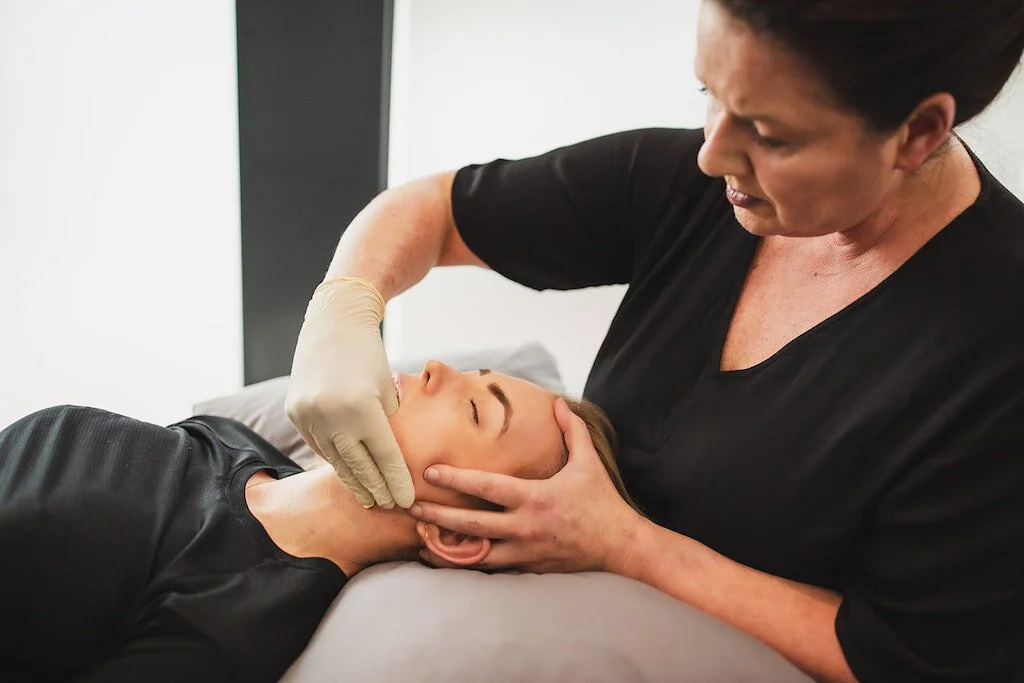
Physiotherapist performing TMJ assessment on patient
At Keilor Road Physiotherapy, our experienced TMJ specialists combine the evidence-based Rocabado Protocol with advanced manual therapy and collaborative dental care to deliver lasting relief from jaw pain, clicking, and dysfunction. Led by Specialist Musculoskeletal Physiotherapist Dr. Jenny Hynes (FACP), our team addresses the root causes of your temporomandibular joint disorder through comprehensive assessment and targeted treatment.
Meet Our TMJ Specialists
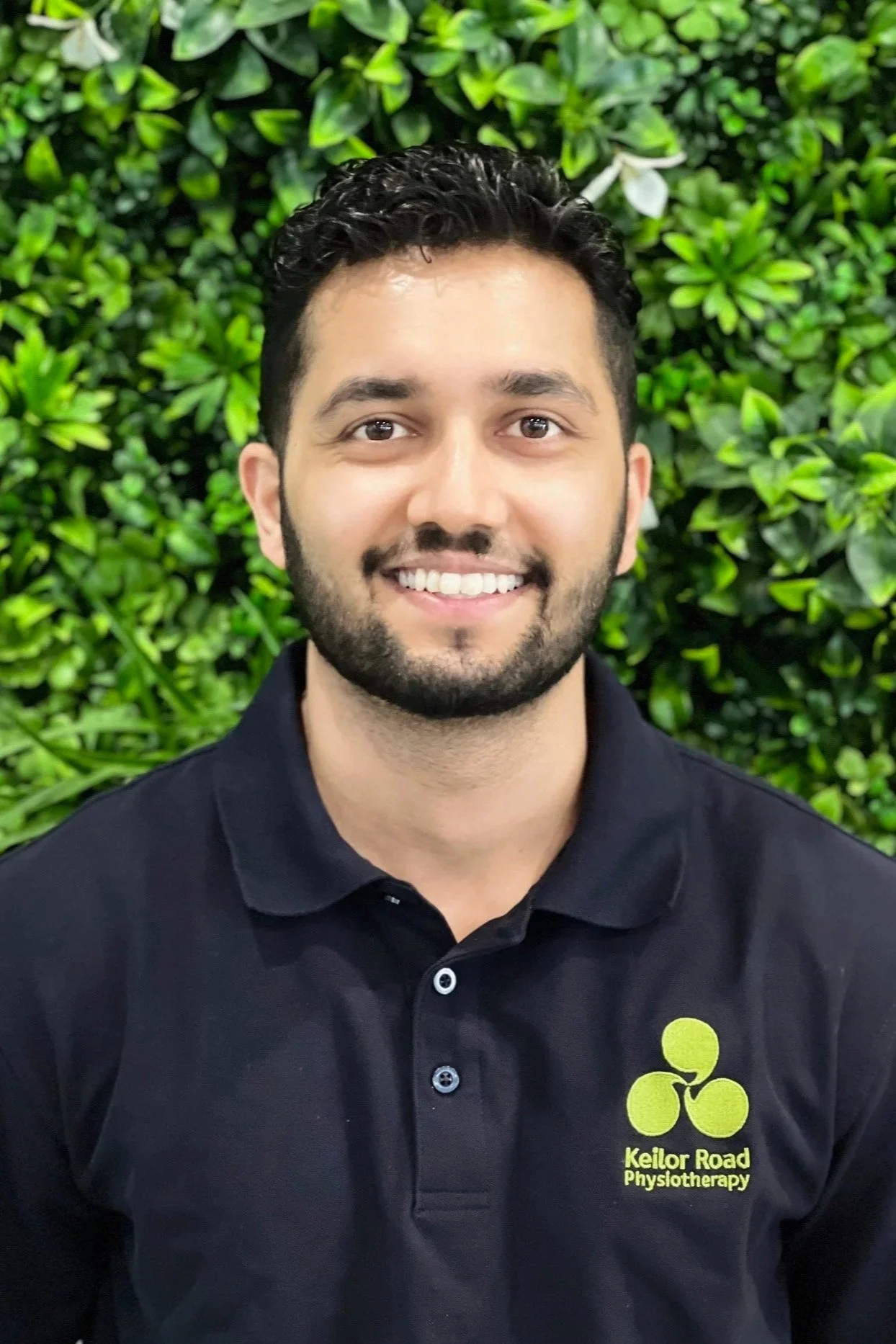
Avit Vaghela - Physiotherapist
TMJ & Manual Therapy Specialist
Masters of Physiotherapy (University of Canberra)
Bachelor in Exercise and Sport Science (Exercise Physiology major)
Specialised training in dry needling for TMD (Temporomandibular Disorders)
Expert in treating jaw dysfunction and associated conditions
St. Kilda Football Club experience (NGA program)
Combines manual therapy with evidence-based strengthening
Tailored management planning for individual goals
Focus on treating underlying causes, not just symptoms

Robbie Webb - Sports Physiotherapist
TMJ & Musculoskeletal Specialist
Masters in Sports Physiotherapy (La Trobe University)
Special interest in chronic pain conditions including TMJ
APPI qualified Pilates instructor for postural rehabilitation
Combines hands-on manual therapy with progressive rehabilitation
Experience treating TMJ dysfunction in athletes and active individuals
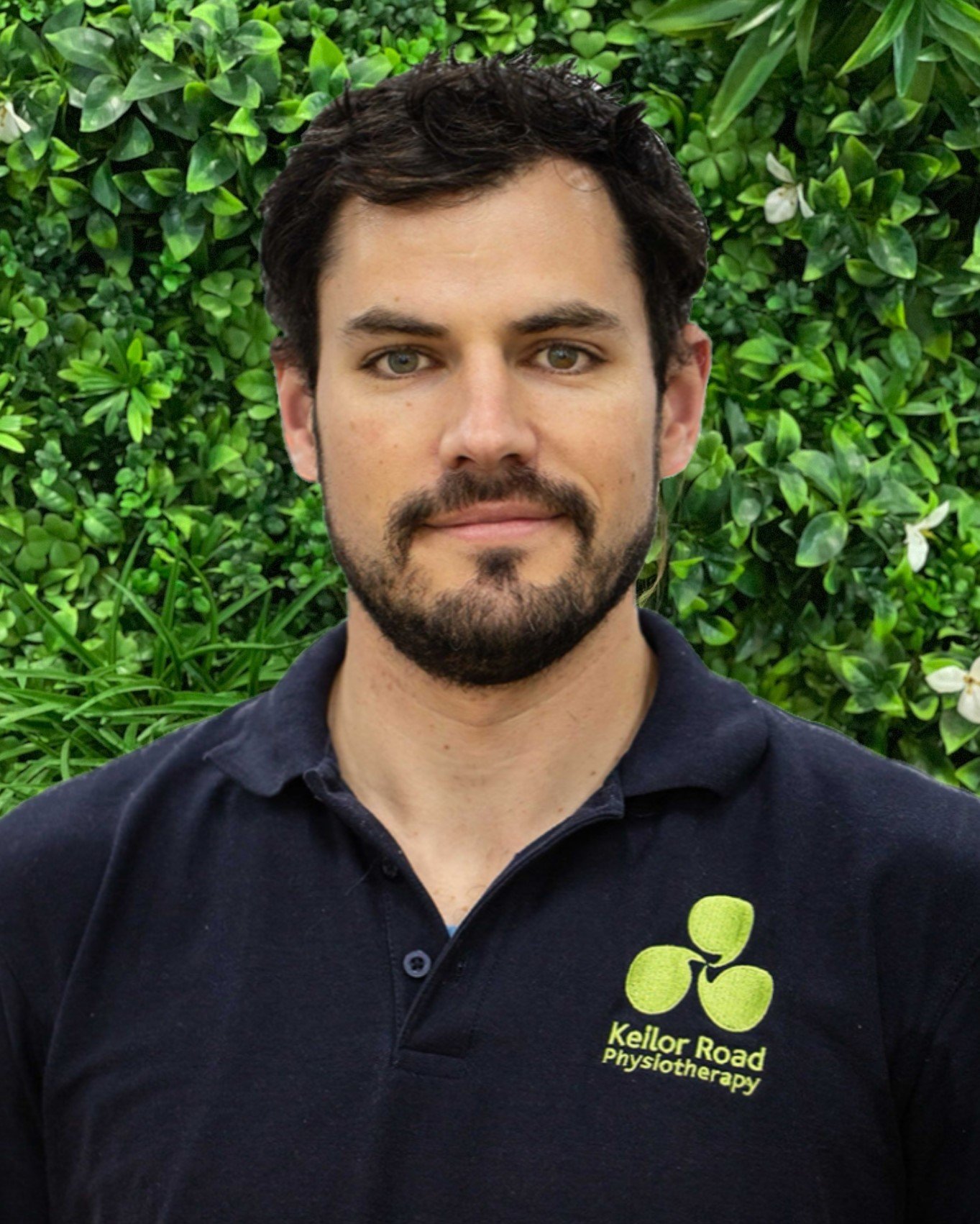
Scott Sanders - Physiotherapist
TMJ & Manual Therapy Expert
Masters of Physiotherapy (University of Melbourne)
Advanced training in trigger point therapy and rehabilitation for TMJ
Specialist in treating underlying causes, not just symptoms
Experience with complex jaw dysfunction cases
Focus on cervical spine and postural contributions to TMJ pain
Hands-on treatment approach for optimal outcomes
The Rocabado Protocol - Evidence-Based TMJ Treatment
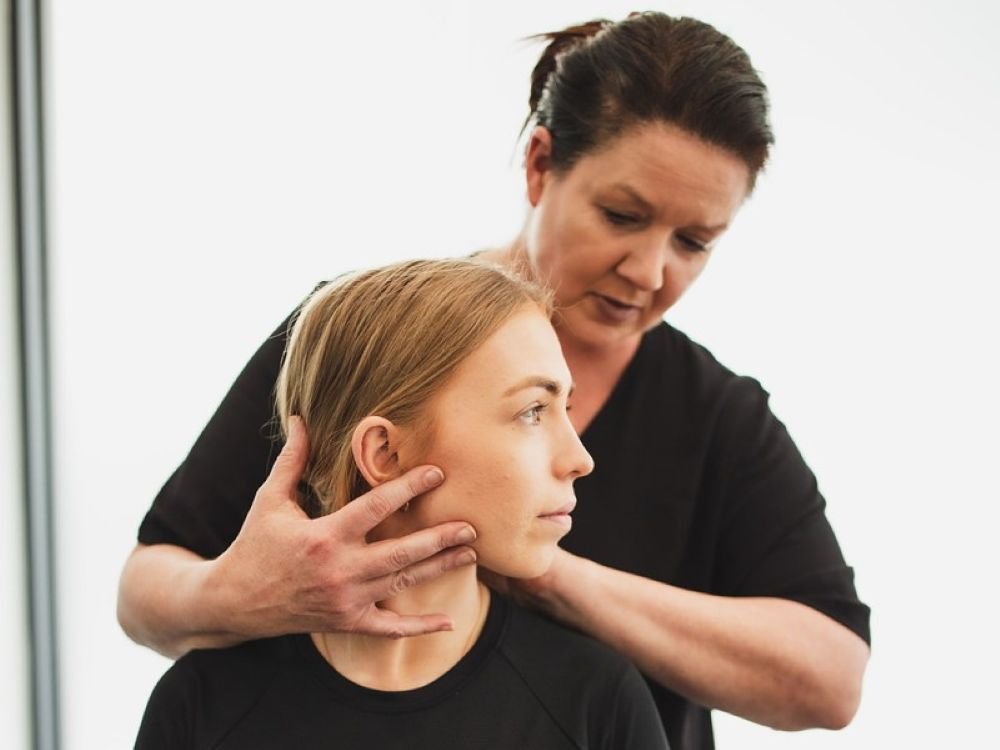
Rocabado protocol for TMJ assessment and treatment.
A Comprehensive Approach to Jaw Dysfunction
At KRP, we utilise the internationally recognised Rocabado Protocol - a systematic, evidence-based approach specifically designed for temporomandibular joint disorders. Developed by physiotherapist Mariano Rocabado, this protocol addresses the complex relationship between jaw dysfunction, cervical spine positioning, and postural factors.
Why the Rocabado Protocol Works:
The Rocabado Protocol recognises that TMJ dysfunction rarely exists in isolation. It addresses:
Cervical Spine Positioning
Forward head posture's contribution to TMJ pain
Resting Tongue Position
Proper oral posture for jaw muscle relaxation
Breathing Patterns
Nasal vs. mouth breathing impacts on jaw position
Postural Alignment
Upper back and shoulder positioning affecting jaw mechanics
Disc-Condyle Relationship
Restoring proper joint mechanics
The Rocabado Core Exercises include:
Tongue to Roof (Rest Position)
Establishes proper oral posture, reduces jaw muscle tension
Controlled Jaw Opening
Trains coordinated movement, prevents joint clicking
Rhythmic Stabilisation
Strengthens jaw muscles, improves joint stability
Chin Tucks
Addresses forward head posture contributing to TMJ pain
Shoulder Blade Squeezes
Corrects upper back posture affecting jaw mechanics
Diaphragmatic Breathing
Promotes relaxation, reduces jaw clenching
These exercises are performed six times per day during the active treatment phase, creating lasting changes in jaw mechanics and muscle patterns.
Our Comprehensive TMJ Assessment:
Detailed history of jaw symptoms, grinding, clenching, and trauma
TMJ mobility and clicking/popping assessment
Muscle palpation of jaw muscles (masseter, temporalis, pterygoids)
Cervical spine and postural examination
Assessment of forward head posture and upper back positioning
Tongue position and breathing pattern evaluation
Bite assessment and dental history review
Stress and sleep pattern evaluation
Collaborative Care with Dental Professionals
[DIAGRAM: Network showing KRP at center with connections to: Dentists, Orthodontists, Oral Surgeons, GPs]
Comprehensive, Coordinated Treatment
Unlike isolated approaches, we work directly with Melbourne's trusted dental professionals to ensure you receive comprehensive care for your TMJ disorder.
Our Dental Network Partnerships:
General dentists for bite assessment and dental appliance coordination
Orthodontists for alignment-related TMJ issues
Oral surgeons for complex cases requiring surgical consultation - including Prof. Michael Stubbs at Melbourne Oral Medicine
Prosthodontists for restorative work affecting jaw function
GPs and pain specialists for medication management when needed
Seamless Coordination:
We communicate directly with your dental team to:
Share assessment findings and treatment progress
Coordinate timing of dental appliances with physiotherapy treatment
Ensure bite splints and night guards complement our manual therapy
Provide feedback on treatment response and functional improvements
Refer for specialist dental consultation when indicated
This collaborative approach addresses both the muscular and structural components of TMJ disorders for optimal long-term outcomes.
This collaborative approach addresses both the muscular and structural components of TMJ disorders for optimal long-term outcomes.
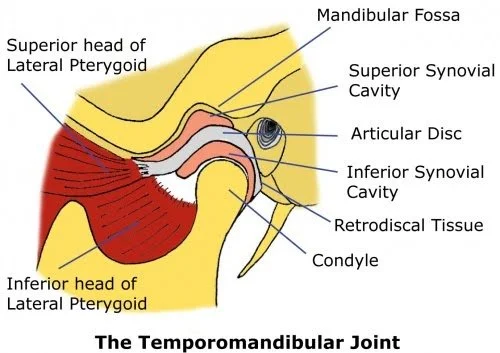
Anatomical illustration of TMJ showing joint, muscles, disc, and surrounding structures
Comprehensive TMJ & Jaw Conditions Treated
TMJ Joint Dysfunction
Joint Pain & Problems
- Temporomandibular joint pain and dysfunction
- Joint clicking, popping, and locking
- Jaw deviation and asymmetry
- Post-surgical TMJ rehabilitation
TMJ Disc Disorders
Disc & Movement Issues
- TMJ disc displacement (with or without reduction)
- Limited jaw opening (trismus)
- Jaw locking and restricted movement
- Internal derangement
Muscular Disorders
Muscle Pain & Tension
- Masseter muscle pain and tension
- Temporalis muscle headaches
- Pterygoid muscle dysfunction
- Jaw muscle fatigue and weakness
Myofascial Pain
Trigger Points & Tension
- Myofascial pain syndrome
- Jaw muscle trigger points
- Facial muscle tension
- Chronic muscle pain patterns
Bruxism & Clenching
Grinding & Habits
- Bruxism (teeth grinding)
- Jaw clenching
- Stress-related jaw tension
- Nocturnal grinding
- Daytime clenching habits
Related Conditions
Associated Problems
- Cervicogenic jaw pain (neck-related)
- Post-whiplash TMJ dysfunction
- Headaches and migraines from TMJ
- Facial pain syndromes
- Post-dental work jaw dysfunction
Evidence-Based Treatment Approach

Rocabado Protocol Exercise Program
Guided instruction in all six core Rocabado exercises
Customised home exercise program
Progressive exercise modification as symptoms improve
Postural correction exercises for cervical spine and upper back
Breathing retraining techniques
Tongue positioning education for proper oral posture
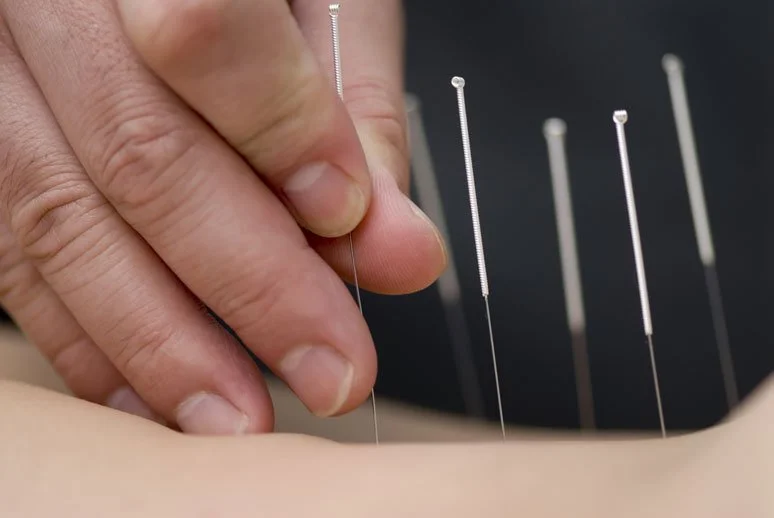
Dry Needling for Jaw Muscles
Trigger point dry needling for masseter and temporalis muscles
Release of deep jaw muscle tension
Treatment of pterygoid muscle dysfunction
Reduced muscle hyperactivity and grinding
Enhanced response to manual therapy
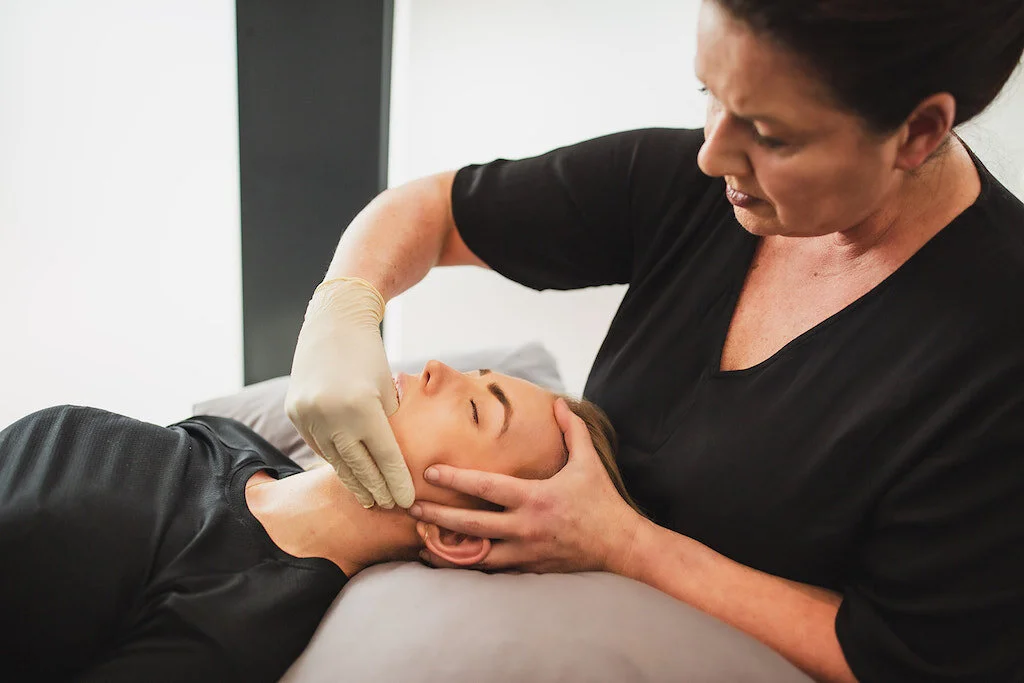
Manual Therapy & Joint Mobilisation
Intra-oral and extra-oral TMJ mobilisation
Soft tissue release of jaw muscles
Myofascial release techniques
Cervical spine mobilisation for postural contributions
Upper back and shoulder mobilisation
Postural correction for jaw alignment

Education & Self-Management
Rocabado protocol instruction and monitoring
Stress and grinding management strategies
Sleep positioning guidance
Dietary modifications during flare-ups
Ergonomic workplace setup
Long-term prevention strategies
Why Choose KRP for TMJ Treatment?
Specialist TMJ & Jaw Treatment
Expert care for temporomandibular joint disorders, combining evidence-based protocols with advanced techniques and collaborative specialist networks.
Rocabado Protocol Expertise
Our physiotherapists are trained in the evidence-based Rocabado Protocol - a systematic approach specifically designed for TMJ disorders that addresses jaw mechanics, posture, and muscle patterns comprehensively.
Specialist-Led Team
Clinical oversight by Specialist Musculoskeletal Physiotherapist Dr. Jenny Hynes (FACP) ensures the highest standard of care with expert-level treatment protocols.
Advanced Dry Needling
Targeted dry needling of jaw muscles provides rapid relief of muscle tension and trigger points that contribute to TMJ pain and dysfunction.
Collaborative Dental Network
Direct partnerships with trusted dentists and oral specialists including Prof. Michael Stubbs ensure comprehensive, coordinated care addressing all aspects of your TMJ disorder.
Holistic Approach
We address not just the jaw joint, but also neck dysfunction, posture, breathing patterns, and lifestyle contributors for lasting results.
Evidence-Based Treatment
Our treatment protocols combine the proven Rocabado Protocol with the latest research and clinical techniques for optimal outcomes.
What to Expect at Your Assessment
Initial TMJ Assessment
40 minutes- Comprehensive jaw symptom history and functional impact assessment
- TMJ mobility, clicking, and loading tests
- Muscle palpation of all jaw muscles including intra-oral assessment
- Cervical spine and postural examination
- Forward head posture and upper back assessment
- Tongue position and breathing pattern evaluation
- Postural and movement analysis
- Review of dental history and current appliances
- Clear diagnosis with explanation of contributing factors
- Introduction to Rocabado Protocol exercises with guided instruction
- Customised treatment plan with realistic timeline
- Immediate hands-on treatment to begin relief
Follow-Up Treatment Sessions
20-40 minutes- Progressive manual therapy and joint mobilisation
- Dry needling of jaw muscles when indicated
- Rocabado Protocol exercise progression and refinement
- Postural rehabilitation (cervical spine and upper back)
- Breathing retraining
- Self-management education
- Regular progress monitoring and treatment adjustments
- Coordination with dental team as needed
Quick Answers to Common Questions
-
Treatment duration varies based on severity and chronicity. Many patients notice improvement within 2-3 weeks of starting the Rocabado Protocol. Comprehensive rehabilitation typically takes 6-12 weeks for optimal long-term outcomes, though some acute cases resolve faster.
-
The Rocabado Protocol is an internationally recognised, evidence-based treatment approach specifically designed for TMJ disorders. It combines six fundamental exercises performed multiple times daily with postural correction, breathing retraining, and manual therapy to address the root causes of jaw dysfunction.
-
Exercise frequency is essential during active treatment (typically 4-8 weeks) to create lasting changes in jaw mechanics and muscle patterns. Each exercise session takes only 5-10 minutes. As symptoms improve, frequency can be reduced to maintenance levels.
-
No referral is needed to see our TMJ physiotherapists. However, we encourage coordinating care with your dentist, especially if you use a bite splint or night guard. We can communicate directly with your dental team.
-
Yes! Physiotherapy addresses the muscular tension and trigger points that contribute to grinding and clenching. The Rocabado Protocol specifically includes relaxation techniques and proper tongue positioning to reduce grinding. Combined with dental appliances when appropriate, physiotherapy can significantly reduce grinding.
-
Many patients come to us after unsuccessful treatment elsewhere. The Rocabado Protocol's systematic approach often identifies postural and breathing contributions that were missed in previous treatment. Our collaborative approach with dental specialists addresses all contributing factors, not just the jaw joint itself.
-
Most TMJ treatments are well-tolerated. Manual therapy and mobilisation are performed gently within your comfort level. Dry needling may cause brief discomfort but provides rapid relief. The Rocabado exercises are gentle and performed within pain-free ranges. We always work within your tolerance and adjust techniques as needed.
-
We work with Medicare CDM plans with a small gap payment and accept all private health insurance. On-the-spot rebates available for eligible patients.
-
Either is fine! If you haven't seen a dentist recently, we recommend a dental check-up to rule out dental issues. We work collaboratively with dentists, so treatment with both providers simultaneously is common and often ideal.
Book Your TMJ Assessment Today
Don't let jaw pain, clicking, or dysfunction control your life. Our experienced TMJ specialists use the proven Rocabado Protocol alongside advanced manual therapy to identify the root cause of your symptoms and deliver lasting relief.
Servicing: Keilor, Niddrie, Essendon, Airport West, and Melbourne's northwest suburbs for over 40 years.
Call: (03) 9379 4557
Clinic Hours: Monday: 8:00 AM - 8:00 PM Tuesday: 8:00 AM - 6:00 PM Wednesday: 7:00 AM - 8:00 PM Thursday: 7:00 AM - 8:00 PM Friday: 7:00 AM - 5:00 PM Saturday: 8:00 AM - 12:00 PM Sunday: Closed
Expert TMJ care with evidence-based Rocabado Protocol, advanced dry needling, and collaborative partnerships with dental professionals. Specialist-led treatment addressing jaw mechanics, posture, and muscle patterns for lasting relief.