Inadequate Treatment
- • No proper rest or protection
- • Return to activity too soon
- • No rehabilitation exercises
- • Ignoring pain signals


Physiotherapist performing ankle assessment
At Keilor Road Physiotherapy, our foot and ankle specialists combine advanced AxIT strength and balance testing with expert sports physiotherapy to treat everything from acute ankle sprains to complex chronic foot conditions. With direct partnerships with podiatrists and medical imaging centers, we ensure comprehensive, coordinated care for optimal outcomes. Over 94% of our foot and ankle patients achieve significant improvement and return to full function.
Same-day appointments available for acute ankle injuries.

Foot & Ankle Injury Specialist
Specialised expertise in foot and ankle conditions
Masters in Physiotherapy (La Trobe University)
High performance team experience (Coburg Giants Basketball).
Currently undertaking his Masters of Applied Sports Science.
Expert in treating athletic ankle and foot injuries
Evidence-based approach combining manual therapy with exercise rehabilitation
Person-centered treatment tailored to individual goals

AFL Sports Physiotherapist
Head physiotherapist for PEGS school first XVIII
Past experience with Fremantle Dockers AFLW and Collegians Football Club.
Doctor of Physiotherapy, Melbourne University.
Extensive sports injury rehabilitation experience
Focus on restoring confidence after ankle injuries
Combines manual therapy with strength-based rehabilitation
Expert in return-to-sport progressions

Foot & Ankle Rehabilitation & Strength Specialist
Masters in Physiotherapy (La Trobe University).
Bachelor in Exercise and Sports Science.
Netball playing and umpiring background (overhead sport expertise).
Experience with Old Xaverians Football Club.
Holistic approach to ankle and foot rehabilitation
Wide range of manual therapy and exercise prescription skills.
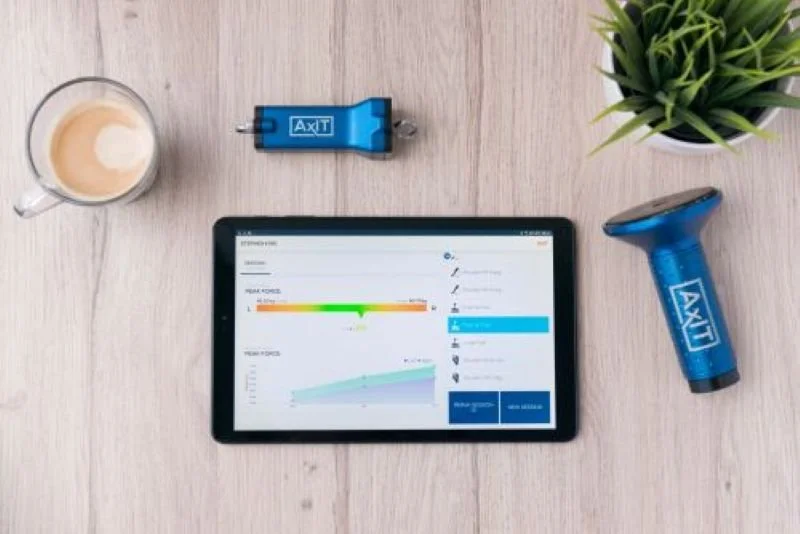
Ankle and foot injuries are complex, and traditional assessment methods can miss subtle strength deficits and balance impairments that lead to re-injury. Our AxIT system provides objective, measurable data about your ankle function.
AxIT for Ankle Assessment:
The AxIT Force Plate System and dynamometry equipment measures:
Ankle strength in all directions (plantarflexion, dorsiflexion, inversion, eversion)
Single-leg balance and stability testing
Dynamic balance during functional movements
Power output for jumping and landing
Left-right symmetry to identify imbalances
Baseline measurements to track recovery progress
Return-to-sport readiness with objective criteria
Why AxIT Matters for Ankle Treatment:
Identify hidden deficits that increase re-injury risk (up to 80% recurrence rate without proper rehab)
Precise diagnosis of specific strength and balance impairments
Objective progress tracking with measurable data
Individualised exercise prescription targeting your specific weaknesses
Safe return to activity using evidence-based strength and balance thresholds
Prevention of chronic ankle instability by ensuring complete recovery
The Re-Injury Problem:
Many athletes return to sport too early after ankle injuries, leading to chronic instability and repeated sprains. AxIT testing ensures you're truly ready, not just feeling better.
Unlike isolated approaches, we work directly with trusted podiatrists and medical specialists to ensure you receive comprehensive care for your foot and ankle condition.
Our Collaborative Network:
Podiatry Partnerships:
Biomechanical foot assessments
Custom orthotic prescription and fitting
Footwear recommendations
Gait analysis collaboration
Treatment of structural foot problems
Medical Referral Pathways:
Imaging centers for X-ray, MRI, and ultrasound when needed - including Diagnostic Care
Orthopedic surgeons for complex fractures and surgical consultation
Sports physicians for diagnostic imaging and injection therapy
GPs for ongoing care coordination
Seamless Coordination:
We communicate directly with your podiatrist and medical team to:
Share assessment findings and treatment progress
Coordinate timing of orthotics with strengthening programs
Ensure footwear supports physiotherapy rehabilitation
Provide feedback on treatment response
Refer for specialist consultation when indicated
This multidisciplinary approach addresses both the structural and functional components of foot and ankle problems for lasting results.
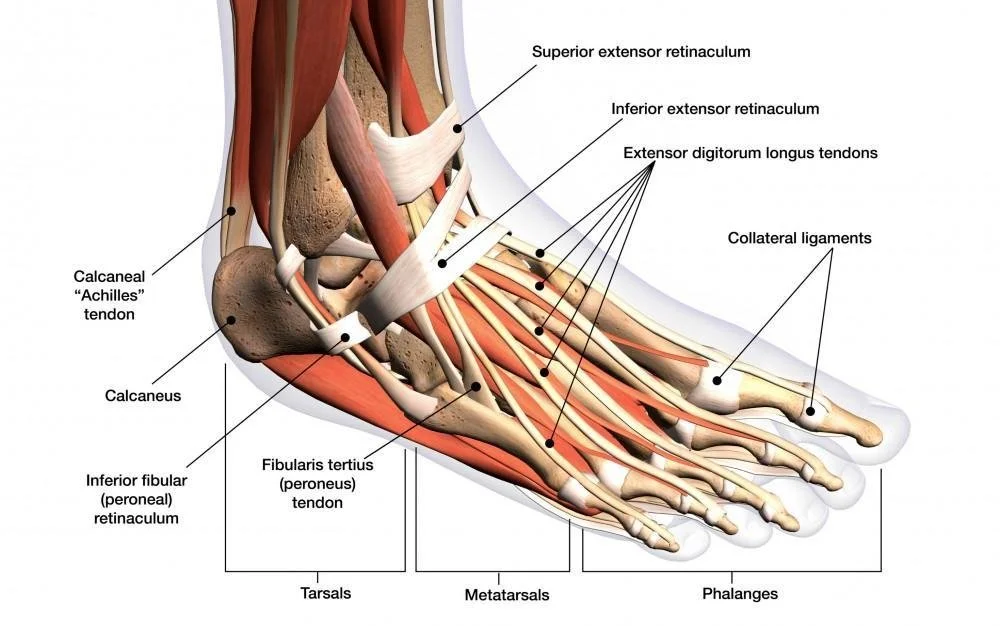
Anatomical illustration of foot and ankle showing common injury sites]

Immediate Care:
PEACE & LOVE protocol (updated approach to acute injury management)
PEACE immediately after injury: Protection, Elevation, Avoid anti-inflammatories, Compression, Education
LOVE after first few days: Load management, Optimism, Vascularisation (movement), Exercise
Pain management strategies
Protected weight-bearing progression
Early range of motion exercises
Reduce swelling and inflammation
Expected Timeline: Minor sprains 2-4 weeks, moderate sprains 4-6 weeks, severe sprains 6-12 weeks
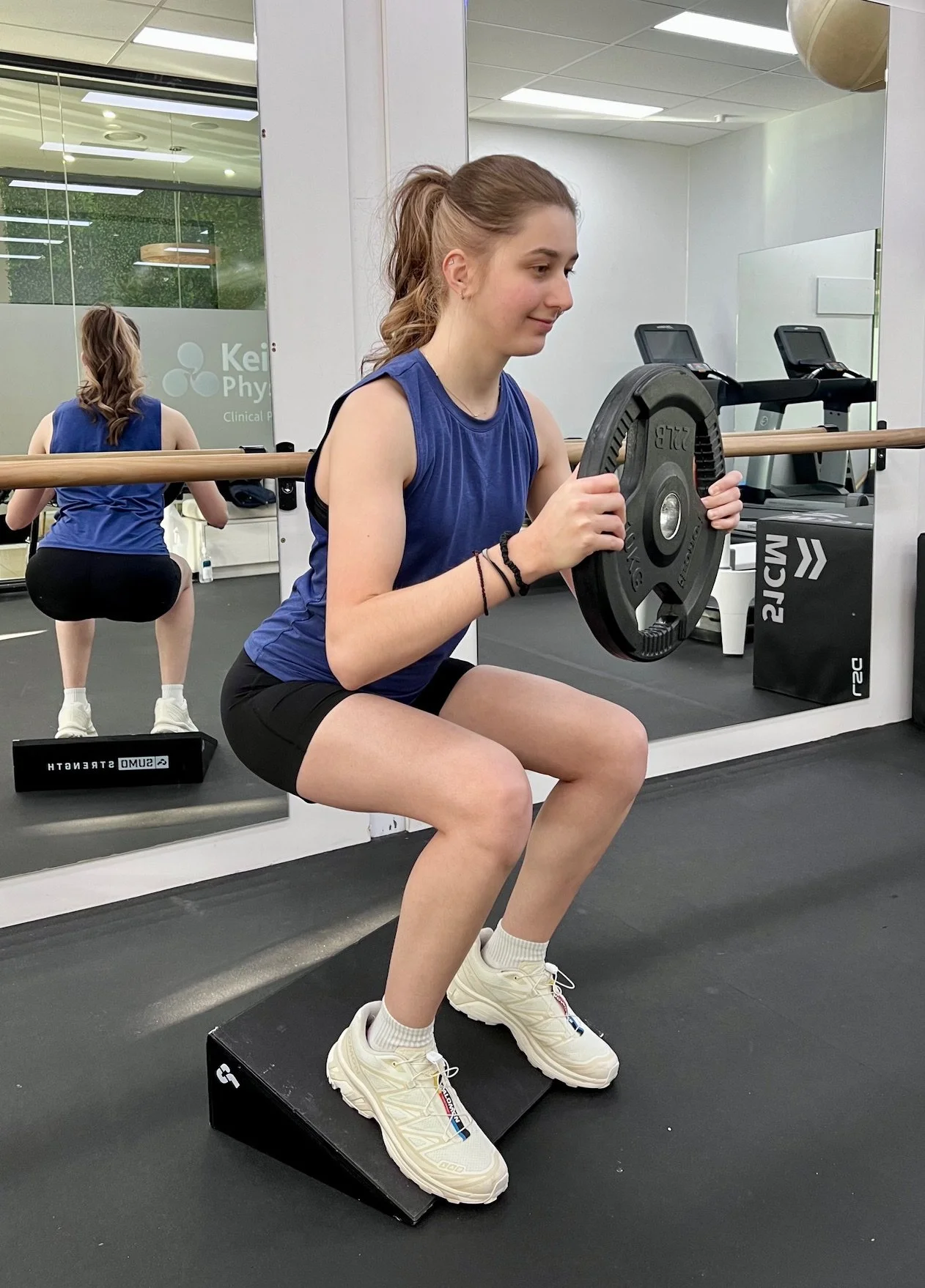
Restoration Phase:
Manual therapy for joint mobility
Progressive strengthening exercises
Balance and proprioception training (critical to prevent re-injury)
Gait retraining
AxIT testing to identify remaining deficits
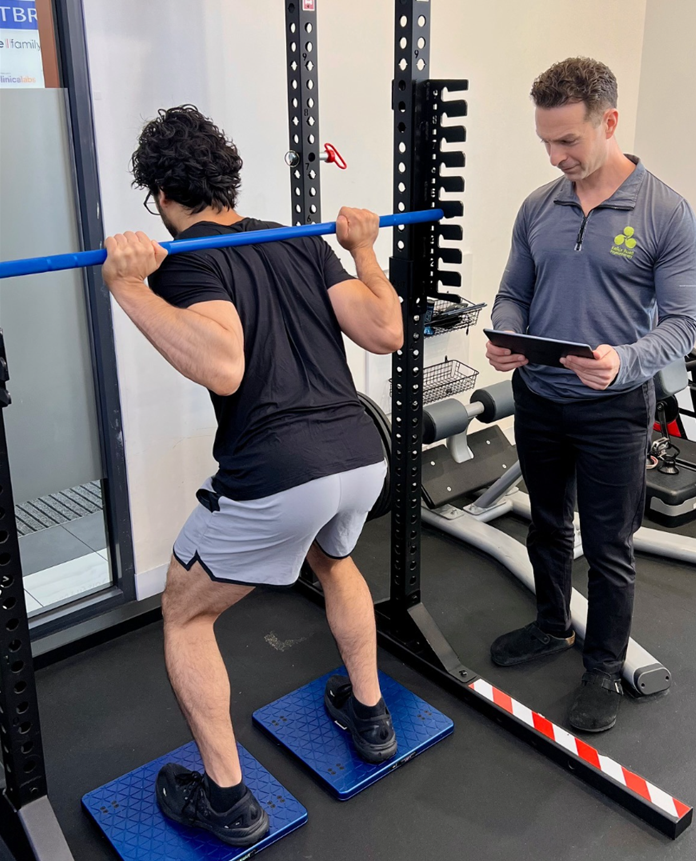
Performance Phase:
Sport-specific conditioning
Agility and cutting drills
Plyometric training
AxIT testing to confirm readiness
Graduated return to training protocol
Injury prevention strategies

Specialised Techniques:
Ankle joint mobilisation and manipulation
Soft tissue release (calf, peroneals, intrinsic foot muscles)
Trigger point therapy
Dry needling for chronic muscle tension
Neural mobilisation for nerve-related symptoms
Initial injury with pain, swelling, and instability
Critical Decision Point
Treatment choice determines long-term outcome
Long-term consequences:
Optimal outcomes:
Proper rehabilitation within the first 6 weeks is critical. Early, comprehensive treatment reduces the risk of chronic instability by up to 60% and significantly improves long-term ankle function.
Always consult a healthcare professional for proper diagnosis and treatment plan.
Did you know that up to 80% of people who sprain their ankle will re-injure it? This happens because traditional ankle sprain treatment focuses only on pain relief, missing the balance and strength deficits that persist after injury.
Why Ankles Don't Fully Heal on Their Own:
After an ankle sprain, three critical systems are damaged:
Ligament integrity - structural stability
Proprioception - your ankle's ability to sense position
Neuromuscular control - coordinated muscle activation
Our Comprehensive Rehabilitation Prevents Re-Injury:
AxIT balance testing identifies proprioceptive deficits
Progressive balance training restores ankle position sense
Strength testing ensures complete recovery before return to sport
Functional movement training addresses coordination deficits
Sport-specific drills prepare you for real-world demands
The Result: Significantly reduced re-injury risk and confidence returning to activities.
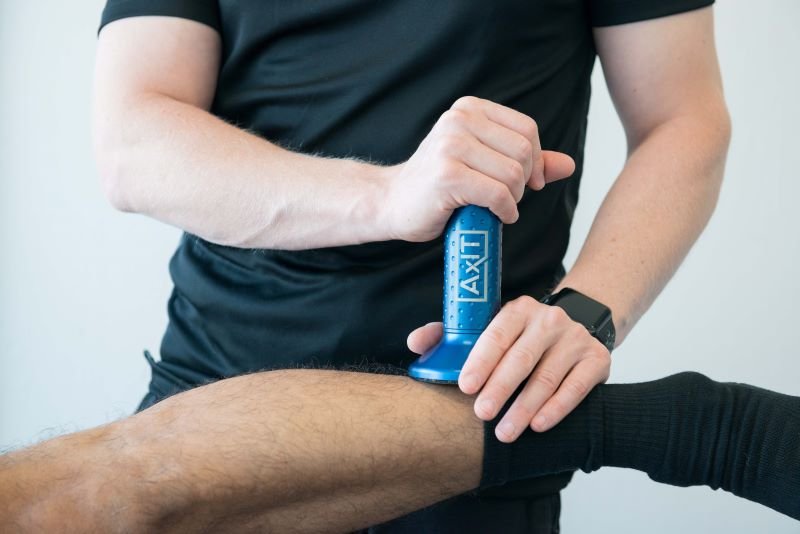
Objective ankle strength and balance testing provides measurable data to guide treatment, track progress, and determine safe return to activity - essential for preventing the 80% re-injury rate.
Our team includes AFLW and VFL physiotherapists with extensive experience treating athletic foot and ankle injuries at the highest level.
Direct partnerships with podiatrists ensure coordinated care for biomechanical foot problems, custom orthotics, and structural issues requiring specialist input.
Established relationships with imaging centers like Diagnostic Care for X-ray, MRI, and ultrasound when diagnostic imaging is needed for accurate diagnosis.
Progressive rehabilitation based on research-proven protocols, including critical balance training that most ankle treatments overlook.
Over 94% of our foot and ankle patients achieve significant improvement and return to full function with our comprehensive approach.
40 minutes
20-40 minutes
Recovery timelines depend on severity:
Grade 1 (mild): 2-4 weeks to return to normal activities
Grade 2 (moderate): 4-6 weeks for sports return with rehabilitation
Grade 3 (severe): 8-12 weeks for complete recovery
Balance deficits can persist for 6 months without proper rehabilitation, which is why AxIT testing is critical.
Recurrent ankle sprains occur because the initial injury wasn't fully rehabilitated. Balance and proprioception deficits remain, increasing re-injury risk by up to 80%. Our AxIT balance testing identifies these hidden deficits.
Either is fine! We work collaboratively with podiatrists. If you have structural foot problems (flat feet, bunions) or need orthotics, we'll coordinate care. If it's primarily an injury or pain issue, start with physiotherapy.
Plantar fasciitis is inflammation of the thick band of tissue under your foot. Treatment typically takes 6-12 weeks with physiotherapy, orthotics (if needed), and targeted exercises. Chronic cases may take 3-6 months.
Absolutely! Chronic ankle instability responds very well to progressive balance training and strengthening. AxIT testing identifies specific deficits, and targeted rehabilitation can significantly reduce giving way episodes.
We'll assess whether imaging is needed during your initial evaluation. We have established relationships with imaging centers and can arrange X-rays, MRI, or ultrasound when medically indicated.
We work closely with orthopedic surgeons and provide both pre-operative conditioning and comprehensive post-operative rehabilitation for ankle and foot surgeries.
We work with Medicare CDM plans with a small gap payment and accept all private health insurance. On-the-spot rebates available for eligible patients.
Don't let foot or ankle pain limit your activities, or risk becoming part of the 80% who re-injure their ankle. Our specialist team combines advanced AxIT technology with expert sports physiotherapy and podiatry partnerships to deliver measurable results.
Same-day appointments available for acute ankle injuries.
Servicing: Keilor, Niddrie, Essendon, Airport West, and Melbourne's northwest suburbs for over 40 years.
Call: (03) 9379 4557
Clinic Hours: Monday: 7:00 AM - 8:00 PM Tuesday: 8:00 AM - 6:00 PM Wednesday: 7:00 AM - 8:00 PM Thursday: 7:00 AM - 8:00 PM Friday: 7:00 AM - 5:00 PM Saturday: 8:00 AM - 12:00 PM Sunday: Closed
Expert foot and ankle care with advanced AxIT balance and strength testing, AFLW/VFL sports physiotherapy expertise, and comprehensive podiatry partnerships. Over 94% success rate with evidence-based protocols preventing chronic ankle instability.