
Vestibular Migraine vs Vertigo | Expert Physio Melbourne
▫️Written by John Keller
✅ Reviewed by Dr. Jenny Hynes on JUNE 17, 2026
Dizziness, vertigo and balance problems are common symptoms that can significantly impact daily life. One of the most common sources of confusion is understanding the difference between vestibular migraine and vertigo. While many people use these terms interchangeably, they are not the same condition.
Vertigo is a symptom that describes a false sensation of movement or spinning, whereas vestibular migraine is a neurological disorder that can cause vertigo, dizziness, motion sensitivity and balance disturbances. Because vestibular migraine shares symptoms with conditions such as BPPV, Ménière's disease and vestibular neuritis, obtaining an accurate diagnosis can be challenging.
This guide explains the differences between vestibular migraine and vertigo, common symptoms, causes, diagnosis and treatment options, including how vestibular physiotherapy can help.
Vestibular Migraine vs Vertigo: Key Takeaway
Vertigo is a symptom describing a false sensation of movement or spinning, while vestibular migraine is a neurological condition that can cause vertigo, dizziness and balance problems. Although vestibular migraine is one of the most common causes of recurrent vertigo, other conditions such as BPPV, Ménière's disease and vestibular neuritis can produce similar symptoms. A thorough vestibular assessment is often required to determine the underlying cause.
What is Vestibular Migraine?
Vestibular migraine is a neurological condition that affects both the migraine pathways of the brain and the vestibular system responsible for balance and spatial orientation. It is now recognised as one of the most common causes of recurrent dizziness and vertigo, affecting approximately 1–3% of the general population and up to 10% of patients seen in dizziness clinics.
Unlike a traditional migraine, vestibular migraine does not always present with a headache. Many patients experience episodes of dizziness, imbalance, motion sensitivity or vertigo without any significant head pain. This can make diagnosis challenging and often leads patients to seek multiple opinions before receiving an accurate explanation for their symptoms.
Research published by Lempert et al. (2012), which formed the basis of the current international diagnostic criteria, found that vestibular symptoms may occur before, during or independently of migraine headaches. As a result, many people experiencing vestibular migraine are unaware that migraine is actually the underlying cause of their dizziness.
Patients commonly describe feeling as though they are rocking on a boat, walking on unstable ground or struggling to tolerate busy visual environments such as shopping centres, supermarkets and crowded streets. These symptoms can significantly impact confidence, exercise participation, driving and work productivity.
Key Clinical Insight
Many patients with vestibular migraine do not experience the classic "spinning room" sensation traditionally associated with vertigo. Instead, they report persistent disequilibrium, motion sensitivity and feelings of disorientation.
Can Vestibular Migraine Cause Vertigo Without Headaches?
Yes. One of the most misunderstood aspects of vestibular migraine is that many people experience dizziness and vertigo without a significant headache. Research suggests that up to 30% of vestibular migraine episodes occur without the classic migraine pain typically associated with migraine disorders.
Instead, symptoms may include vertigo, balance difficulties, motion sensitivity, visual disturbances, brain fog and feelings of unsteadiness. This often leads people to assume their symptoms are coming from the inner ear rather than a migraine-related condition.
A history of migraines, motion sickness, sensitivity to light or sound, or a family history of migraine can provide important clues during assessment. Because symptoms can closely resemble other vestibular disorders, a comprehensive vestibular examination is often required to establish an accurate diagnosis and guide appropriate treatment.
What is Vertigo?
Vertigo is not a diagnosis. It is a symptom describing the false sensation of movement when no movement is actually occurring.
Most commonly, people experiencing vertigo feel as though:
The room is spinning around them
They are spinning themselves
They are being pulled to one side
The ground is moving beneath their feet
Vertigo occurs when the brain receives conflicting information from the vestibular system, visual system and proprioceptive system. The vestibular organs located within the inner ear play a critical role in detecting head movement and maintaining balance. When these structures become disrupted, vertigo can occur.
Importantly, vertigo can arise from numerous conditions including:
Vestibular migraine
Benign Paroxysmal Positional Vertigo (BPPV)
Vestibular neuritis
Ménière's disease
Labyrinthitis
Persistent Postural Perceptual Dizziness (PPPD)
Concussion
Cervicogenic dizziness
A study by Neuhauser et al. found that vestibular migraine and BPPV are among the most common causes of recurrent vertigo seen in clinical practice, highlighting why accurate assessment is so important.
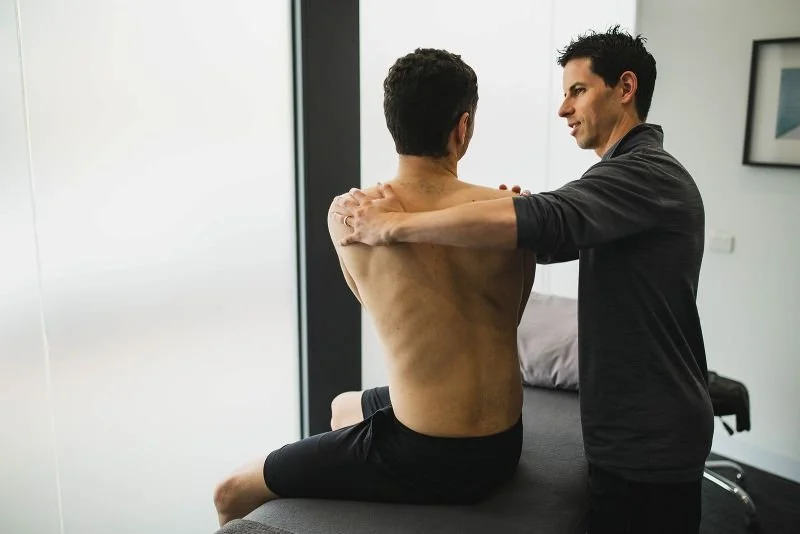
Melbourne’s best vestibular migraine physio’s.
Why Vestibular Migraine and Vertigo Are Commonly Confused?
The confusion occurs because vestibular migraine frequently causes vertigo.
In other words:
Vestibular migraine is a diagnosis. Vertigo is a symptom.
A useful analogy is that fever is a symptom, while influenza is a diagnosis. Many illnesses can cause a fever, just as many vestibular conditions can cause vertigo.
The overlap in symptoms can make self-diagnosis extremely difficult. Patients with vestibular migraine may experience severe spinning sensations identical to those experienced by someone with BPPV or Ménière's disease. Conversely, patients with inner-ear disorders may also report headaches and visual sensitivity.
This is why a thorough vestibular assessment is essential rather than relying solely on symptom descriptions.
Vestibular Migraine vs BPPV: The Most Important Clinical Distinction
One of the most common diagnostic challenges involves differentiating vestibular migraine from Benign Paroxysmal Positional Vertigo (BPPV).
BPPV occurs when small calcium carbonate crystals, known as otoconia, become displaced within the inner ear canals. These crystals interfere with normal vestibular function and trigger brief episodes of vertigo when the head changes position.
Patients with BPPV typically experience:
Vertigo when rolling in bed
Symptoms looking up toward a ceiling
Dizziness bending forward
Brief episodes lasting seconds
Significant improvement between attacks
By contrast, vestibular migraine symptoms often:
Last hours or days
Occur without positional triggers
Include light sensitivity
Include sound sensitivity
Include motion intolerance
Are associated with migraine history
Research suggests vestibular migraine and BPPV can even coexist, further complicating diagnosis.
For this reason, vestibular physiotherapists routinely assess for both conditions during the same consultation.
Vestibular Migraine vs Meniere's Disease
Vestibular migraine and Ménière's disease can appear very similar, as both conditions may cause episodes of vertigo, dizziness and balance disturbance. However, the underlying causes and associated symptoms are quite different.
Ménière's disease is an inner ear disorder believed to involve abnormal fluid regulation within the vestibular system. In addition to vertigo, patients commonly experience fluctuating hearing loss, tinnitus (ringing in the ears) and a sensation of fullness or pressure in the affected ear.
Vestibular migraine, on the other hand, is a neurological condition and is more commonly associated with migraine symptoms such as light sensitivity, sound sensitivity, visual disturbances and motion intolerance. Hearing loss is uncommon in vestibular migraine and may indicate another diagnosis.
Because treatment approaches differ significantly, accurately distinguishing between vestibular migraine and Ménière's disease is essential. Vestibular physiotherapists can play an important role in identifying symptom patterns and determining whether further medical investigation is required.
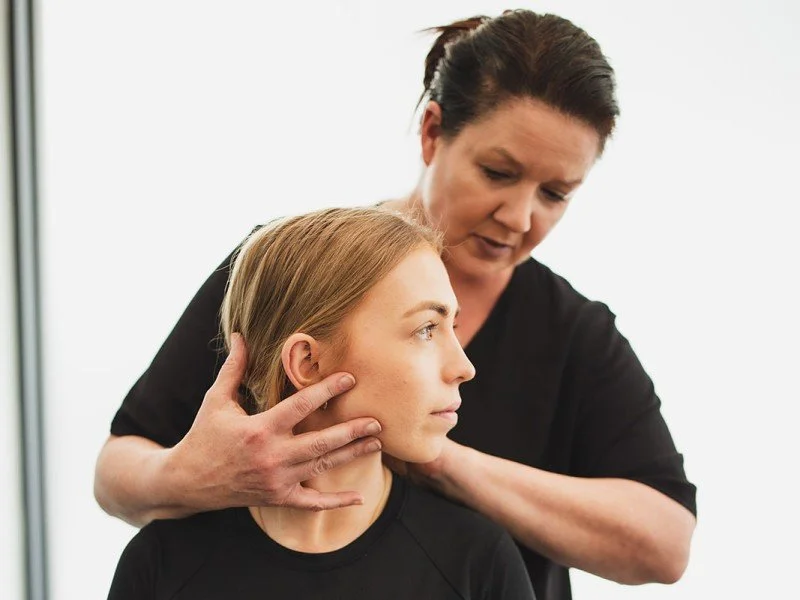
Specialist vestibular migraine physiotherapy Melbourne.
What Causes Vestibular Migraine?
The exact mechanism remains incompletely understood, but current research suggests vestibular migraine results from abnormal interactions between migraine pathways and vestibular processing centres within the brainstem and cerebellum.
Several mechanisms have been proposed:
Cortical Spreading Depression
This wave of altered neural activity is believed to contribute to migraine symptoms and may disrupt vestibular processing.
Trigeminal Activation
Activation of the trigeminal nerve system may influence blood vessels and sensory pathways involved in both headache and dizziness.
Sensory Integration Dysfunction
Patients with vestibular migraine appear to have altered processing of vestibular, visual and proprioceptive information, leading to increased sensitivity to movement and environmental stimuli.
Genetic Predisposition
Migraine disorders frequently run in families, suggesting a significant genetic contribution.
Common triggers include:
Poor sleep
Stress
Hormonal fluctuations
Dehydration
Alcohol
Excessive caffeine
Bright lights
Visual overload
Neck pain and tension
How Is Vestibular Migraine Diagnosed?
There is currently no blood test, MRI scan or imaging study that can definitively diagnose vestibular migraine.
Instead, diagnosis relies on internationally recognised criteria established by the Bárány Society and International Headache Society (Kaski et al, 2025).
A diagnosis generally requires:
Recurrent vestibular symptoms
A current or previous history of migraine
Episodes lasting between five minutes and seventy-two hours
Migraine features occurring during at least 50% of episodes
Exclusion of other vestibular disorders
Because vestibular migraine can mimic several other conditions, a detailed assessment remains the gold standard.
At Keilor Road Physiotherapy, this assessment includes evaluation of:
Eye movements
Vestibulo-ocular reflex function
Positional testing for BPPV
Balance performance
Walking mechanics
Cervical spine function
Symptom triggers
Physiothearpy Treatment for Vestibular Migraine
Historically, vestibular migraine management focused heavily on medication. However, growing evidence supports the role of physiotherapy as part of a multidisciplinary treatment approach (Hall et al., 2022).
Vestibular rehabilitation therapy (VRT) has been shown to improve dizziness severity, balance performance and quality of life in individuals with vestibular migraine.
Vestibular rehabilitation works by encouraging the brain to adapt to altered sensory information through carefully graded exposure and retraining exercises.
Treatment may include gaze stabilisation exercises, balance retraining, habituation exercises and walking programs. These interventions aim to reduce motion sensitivity and improve confidence with movement.
Neck dysfunction is also common in patients with vestibular migraine. Research demonstrates significant overlap between migraine disorders and cervical spine impairments. Consequently, physiotherapy often includes treatment targeting neck mobility, muscular endurance, posture and movement control.
Regular aerobic exercise has additionally been shown to reduce migraine frequency and improve vestibular function, making exercise prescription an important component of long-term management.
Why Early Diagnosis Matters?
Many vestibular migraine sufferers spend years searching for answers.
Studies suggest patients commonly consult multiple healthcare providers before receiving an accurate diagnosis. During this time, persistent dizziness can contribute to:
Reduced physical activity
Increased anxiety
Fear of movement
Social withdrawal
Reduced workplace participation
Falls risk
Early diagnosis allows targeted treatment and helps patients better understand their symptoms, reducing uncertainty and improving outcomes.
Why Choose Keilor Road Physiotherapy?
At Keilor Road Physiotherapy, our experienced vestibular physiotherapists regularly assess and treat patients with dizziness, vertigo and vestibular disorders from Niddrie, Essendon, Keilor East, Airport West, Moonee Ponds and throughout Melbourne's north-west.
Our comprehensive vestibular assessment aims to identify the true cause of your symptoms rather than simply treating dizziness as a generic problem. By differentiating between vestibular migraine, BPPV, vestibular neuritis, Ménière's disease and other vestibular conditions, we can develop a targeted treatment plan that addresses the underlying cause.
Whether your symptoms involve spinning sensations, balance difficulties, motion sensitivity or persistent dizziness, our goal is to help you return to normal daily activities with confidence.
Frequently Asked Questions
What is the difference between vestibular migraine and vertigo?
Vestibular migraine is a neurological condition that affects the brain's processing of balance and spatial orientation, whereas vertigo is a symptom describing a false sensation of movement or spinning. Vestibular migraine can cause vertigo, but not all vertigo is caused by vestibular migraine.
Can vestibular migraine cause vertigo without a headache?
Yes. Many people with vestibular migraine experience dizziness, vertigo, motion sensitivity or balance problems without developing a significant headache. This is one reason vestibular migraine is often misdiagnosed as an inner ear disorder.
How do I know if I have vestibular migraine or BPPV?
BPPV typically causes brief episodes of vertigo triggered by specific head movements, such as rolling in bed or looking up. Vestibular migraine symptoms often last longer and may be associated with light sensitivity, sound sensitivity, visual disturbances or a history of migraine. A vestibular assessment can help distinguish between the two conditions.
What causes vestibular migraine?
The exact cause is not fully understood, but vestibular migraine is thought to involve abnormal interactions between migraine pathways and the vestibular system. Common triggers include stress, poor sleep, dehydration, hormonal changes, certain foods and prolonged screen exposure.
Can physiotherapy help vestibular migraine?
Yes. Vestibular physiotherapy can help improve balance, reduce dizziness, decrease motion sensitivity and improve confidence with movement. Treatment may include vestibular rehabilitation exercises, balance retraining, neck treatment and exercise prescription.
What is the best treatment for vertigo?
The most effective treatment depends on the underlying cause. BPPV is often treated using repositioning manoeuvres such as the Epley manoeuvre, while vestibular migraine may require a combination of vestibular rehabilitation, lifestyle modifications and medical management.
When should I see a physiotherapist for dizziness or vertigo?
You should seek assessment if you experience recurrent vertigo, ongoing dizziness, balance difficulties, falls, motion sensitivity or symptoms that interfere with daily activities. Early diagnosis can help improve outcomes and reduce the impact of symptoms on your quality of life.
Can neck problems cause dizziness?
Yes. Some people experience cervicogenic dizziness, where dysfunction of the neck contributes to feelings of dizziness or unsteadiness. A physiotherapist can assess both the vestibular system and cervical spine to determine whether neck dysfunction may be contributing to symptoms.
Is vestibular migraine common?
Vestibular migraine is one of the most common causes of recurrent dizziness and vertigo in adults. Despite this, it remains underdiagnosed and is frequently mistaken for other vestibular disorders.
Does vestibular migraine go away?
Symptoms can often be effectively managed with the right treatment approach. Identifying triggers, improving lifestyle factors, undertaking vestibular rehabilitation and addressing contributing factors such as neck dysfunction can help reduce symptom frequency and severity.
Where can I find vestibular migraine treatment in Melbourne?
This can naturally mention Keilor Road Physiotherapy, Melbourne's north-west, Niddrie, Essendon, Keilor East, Airport West, Moonee Ponds and surrounding suburbs, helping capture local search traffic while strengthening geographic relevance.
References
Lempert, T., Olesen, J., Furman, J., Waterston, J., Seemungal, B., Carey, J., Bisdorff, A., Versino, M., Evers, S., & Newman-Toker, D. (2012). Vestibular migraine: diagnostic criteria. Journal of vestibular research : equilibrium & orientation, 22(4), 167–172. https://doi.org/10.3233/VES-2012-0453
Beh S. C. (2019). Vestibular Migraine: How to Sort it Out and What to Do About it. Journal of neuro-ophthalmology : the official journal of the North American Neuro-Ophthalmology Society, 39(2), 208–219. https://doi.org/10.1097/WNO.0000000000000791
Neuhauser, H. K., Radtke, A., von Brevern, M., Feldmann, M., Lezius, F., Ziese, T., & Lempert, T. (2006). Migrainous vertigo: prevalence and impact on quality of life. Neurology, 67(6), 1028–1033. https://doi.org/10.1212/01.wnl.0000237539.09942.06
Hall, C. D., Herdman, S. J., Whitney, S. L., Anson, E. R., Carender, W. J., Hoppes, C. W., Cass, S. P., Christy, J. B., Cohen, H. S., Fife, T. D., Furman, J. M., Shepard, N. T., Clendaniel, R. A., Dishman, J. D., Goebel, J. A., Meldrum, D., Ryan, C., Wallace, R. L., & Woodward, N. J. (2022). Vestibular Rehabilitation for Peripheral Vestibular Hypofunction: An Updated Clinical Practice Guideline From the Academy of Neurologic Physical Therapy of the American Physical Therapy Association. Journal of neurologic physical therapy : JNPT, 46(2), 118–177. https://doi.org/10.1097/NPT.0000000000000382
Kaski, D., Tarnutzer, A. A., Agrawal, Y., Carey, J., Cha, Y. H., Eggers, S. D., Furman, J., Kim, H. A., Kim, J. S., Lempert, T., López-Escámez, J. A., Magnusson, M., Newman-Toker, D. E., Seemungal, B. M., Staab, J. P., Strupp, M., van de Berg, R., von Brevern, M., Ward, B. K., & Bisdorff, A. (2025). The International Classification of Vestibular Disorders: Achievements, challenges, and future directions. Journal of vestibular research : equilibrium & orientation, 35(3), 105–112. https://doi.org/10.1177/09574271251313803