
Can TMJ Cause Headaches? | TMJ Physiotherapy Melbourne | Keilor Road Physiotherapy
▫️Written by John Keller
✅ Reviewed by Dr. Jenny Hynes on MAY 27, 2026
Can TMJ Cause Headaches?
Yes — TMJ dysfunction can cause headaches due to increased tension and irritation in the jaw, neck and facial muscles (La Touche et al., 2009). TMJ headaches are commonly felt around the temples, forehead, jaw and behind the eyes. TMJ physiotherapy treatment in Melbourne focuses on improving jaw mechanics, reducing muscular tension and addressing associated neck dysfunction.
TMJ dysfunction affects the temporomandibular joint, which connects the jaw to the skull. When the TMJ or surrounding muscles become irritated, pain can refer into the head, face and neck (Fernández-de-Las-Peñas et al., 2010). Many people experiencing ongoing headaches, jaw pain or facial tension may not realise their symptoms could be related to TMJ dysfunction.
Common symptoms associated with TMJ headaches include:
temple headaches
jaw pain or clicking
neck stiffness
headaches when chewing
teeth grinding or clenching
facial tightness
morning headaches
The temporomandibular joint works closely with the muscles and joints of the neck. Poor posture, stress, jaw clenching and neck dysfunction can all contribute to increased strain on the TMJ and surrounding muscles (Armijo-Olivo et al., 2016).
At Keilor Road Physiotherapy, our physiotherapists regularly assess and treat TMJ-related headaches for patients across Essendon, Niddrie, Keilor East, Airport West, Aberfeldie, Tullamarine and surrounding Melbourne suburbs.
Keilor Road Physio provides evidence-based physiotherapy treatment for TMJ dysfunction, headaches, migraines, jaw pain and neck pain. Book an appointment with a Melbourne TMJ physiotherapist today.
What is TMJ Dysfunction?
The temporomandibular joint (TMJ) is the joint connecting the lower jaw to the skull. It plays an essential role in:
chewing
speaking
yawning
swallowing
facial movement
You have one TMJ on each side of the jaw, located just in front of the ears. These joints work together with surrounding muscles, ligaments and the cervical spine to create smooth and coordinated jaw movement.
TMJ dysfunction occurs when irritation, overload or movement dysfunction affects the joint or surrounding muscles. This may lead to pain, stiffness, clicking, locking or headaches.
The condition can significantly impact quality of life, making eating, talking and sleeping uncomfortable.
How TMJ Dysfunction Causes Headaches
TMJ dysfunction is a recognised cause of headaches and facial pain.
The muscles surrounding the jaw attach near the temples and sides of the head. Increased tension or irritation within these muscles can refer pain into the head, creating headaches that may mimic tension headaches or migraines.
TMJ headaches are commonly felt:
around the temples
behind the eyes
across the forehead
into the cheeks
into the neck and upper shoulders
The neck and jaw are also closely connected through shared muscle and nerve pathways. Reduced neck mobility and upper cervical stiffness frequently contribute to TMJ headache symptoms.
People with TMJ-related headaches often experience:
jaw clicking
jaw tension
headaches when chewing
morning headaches
facial tightness
neck pain and stiffness
teeth grinding or clenching
At Keilor Road Physiotherapy, we provide evidence-based tension headache physiotherapy and personalised tension headache treatment focused on reducing muscular tension, improving posture and addressing tmj and neck dysfunction. If you are looking for an experienced headache physio Melbourne patients trust, our team can help.
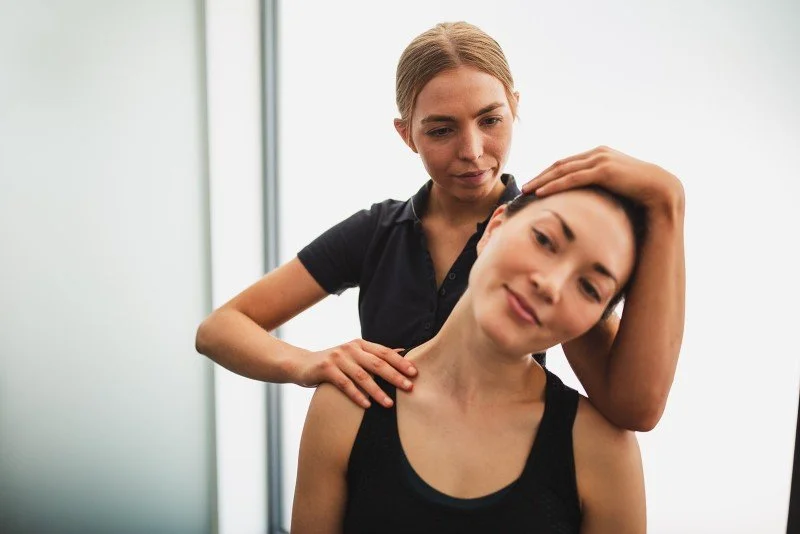
TMJ headache treatment Melbourne.
Why Does My Jaw Click and Give Me Headaches?
Jaw clicking commonly occurs when the disc within the temporomandibular joint does not move smoothly during jaw opening and closing.
This may occur due to:
muscle tension
jaw overload
clenching
previous trauma
joint irritation
poor jaw control
Clicking itself is not always painful, however associated muscular tension and joint irritation can contribute to headaches and facial pain.
If clicking is accompanied by:
headaches
locking
pain
restricted opening
chewing discomfort
It is important to have the TMJ assessed by a healthcare professional.
Can Jaw Clenching Cause Migraines?
Jaw clenching and teeth grinding can significantly increase load through the TMJ and surrounding muscles.
Excessive muscular tension around the jaw and temples may contribute to:
tension headaches
migraine aggravation
facial pain
neck tightness
morning headaches
Stress is a common contributor to jaw clenching, particularly during sleep.
Many people are unaware they clench their jaw overnight until symptoms such as headaches or jaw pain develop.
TMJ dysfunction commonly overlaps with migraines and neck pain, with many people experiencing temple headaches, facial tension and sensitivity around the head and jaw. At Keilor Road Physiotherapy, our team provides migraine physiotherapy and evidence-based migraine treatment Melbourne patients can trust. Our approach to physiotherapy for migraines focuses on identifying contributing factors such as TMJ dysfunction, neck stiffness and posture that may be driving ongoing migraine headaches.
Signs and Symptoms of TMJ Headaches
TMJ dysfunction can present with a range of symptoms affecting the jaw, head, face and neck.
Common symptoms include:
headaches around the temples
jaw pain
clicking or popping in the jaw
facial tightness
pain while chewing
difficulty opening the mouth fully
neck pain and stiffness
morning headaches
ear pain or fullness
jaw locking
Symptoms may worsen:
during stressful periods
after chewing tough foods
after prolonged desk work
upon waking
with prolonged jaw clenching
Recognising early symptoms is important to prevent symptoms becoming more persistent.
Causes of TMJ Dysfunction and Jaw Pain
Several factors may contribute to TMJ dysfunction and jaw pain. In many cases, symptoms develop due to a combination of muscular tension, joint overload, neck dysfunction and poor jaw mechanics rather than a single cause alone.
Jaw Clenching and Teeth Grinding (Bruxism)
Jaw clenching and teeth grinding (bruxism) are among the most common contributors to TMJ dysfunction. Excessive clenching places increased load through the temporomandibular joint and surrounding muscles, particularly during sleep. Over time, this can lead to muscular tightness, joint irritation, headaches and jaw pain.
Many people are unaware they clench or grind their teeth until symptoms such as morning headaches, jaw tightness or tooth sensitivity develop.
Neck Dysfunction and Poor Posture
The jaw and upper cervical spine are closely connected through shared muscles and nerve pathways. Poor posture — particularly forward head posture during desk work or prolonged device use — can increase strain through the neck and jaw muscles.
Reduced neck mobility and upper cervical stiffness commonly contribute to:
TMJ headaches
jaw tension
facial pain
neck stiffness
Addressing neck dysfunction is often an important part of successful TMJ treatment.
Stress and Muscle Tension
Stress commonly increases muscle tension around the face, jaw and neck. Many people subconsciously tighten their jaw during stressful situations, which can overload the TMJ and surrounding muscles.
Periods of increased stress are often associated with worsening:
headaches
jaw pain
facial tightness
teeth grinding
Previous Jaw or Neck Injury
Trauma to the jaw, head or neck may alter normal jaw mechanics and contribute to ongoing dysfunction. This may include:
sporting injuries
motor vehicle accidents
falls
dental procedures
Previous neck injuries can also influence muscle tension and movement patterns around the TMJ.
Joint Irritation or Overload
Repetitive jaw movements or excessive loading through the TMJ can irritate the joint and surrounding structures.
Activities that may contribute include:
excessive gum chewing
nail biting
chewing hard foods
prolonged talking
resting the jaw on the hand
Over time, repetitive overload may contribute to inflammation, muscular guarding and altered jaw movement patterns.
Muscle Imbalances and Jaw Mechanics
Poor coordination of the jaw muscles may contribute to uneven loading through the TMJ. Weakness or poor control around the neck, jaw and upper shoulder muscles can alter movement patterns and increase stress on the joint.
This may contribute to:
jaw clicking
jaw deviation during opening
muscular fatigue
headaches associated with chewing or talking
At Keilor Road Physiotherapy, our physiotherapists assess both the TMJ and cervical spine to identify the underlying factors contributing to jaw pain and headaches.
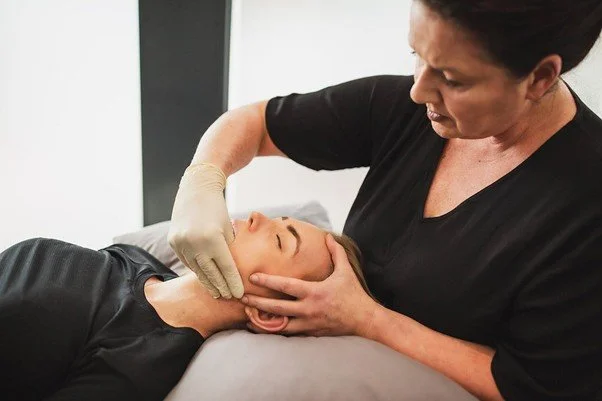
Specialist TMJ treatment Melbourne.
Prevention Strategies for TMJ Headaches
Preventing TMJ headaches involves reducing excessive strain through the jaw and neck while improving muscle control, posture and daily movement habits. Because TMJ dysfunction is often influenced by multiple contributing factors, long-term management usually requires a combination of lifestyle modifications, jaw awareness and targeted exercises.
For many people, small changes to daily habits can significantly reduce jaw tension and headache frequency.
Managing Jaw Clenching and Teeth Grinding
Jaw clenching and teeth grinding are among the most common contributors to TMJ headaches. Many people unknowingly clench their jaw during periods of stress, concentration or sleep, placing excessive load through the temporomandibular joint and surrounding muscles.
Helpful strategies may include:
keeping the teeth slightly apart at rest by pushing your tongue up into your palate (roof of your mouth)
being mindful of your jaw position and relaxing the jaw throughout the day
avoiding excessive chewing
reducing stress levels
using relaxation or breathing exercises
discussing night guards with a dentist if grinding occurs during sleep
Learning to recognise jaw tension early can help reduce ongoing irritation and muscular overload.
Improving Neck Posture
Poor posture, particularly forward head posture during desk work or prolonged device use, can increase strain through both the jaw and upper cervical spine. Improving workstation ergonomics and posture may help reduce ongoing stress through these structures.
Helpful strategies include:
keeping screens at eye level
avoiding prolonged slouched positions
taking regular movement breaks
maintaining upper back and neck mobility
performing postural strengthening exercises
Avoiding Excessive Jaw Overload
Repeated or sustained jaw loading may irritate the TMJ and surrounding muscles.
Activities that may increase jaw stress include:
excessive gum chewing
chewing hard foods
biting pens or fingernails
resting the jaw on the hand
prolonged talking without breaks
Reducing repetitive strain through the jaw may help minimise irritation and improve recovery.
Managing Stress and Muscle Tension
Stress commonly increases muscle tension around the face, neck and jaw. Many people notice worsening headaches and jaw pain during periods of increased emotional or physical stress.
Stress management strategies may include:
regular exercise
breathing exercises
mindfulness or relaxation techniques
adequate sleep
reducing prolonged tension during work or study
Addressing stress-related tension is often an important part of long-term TMJ headache management.
Maintaining Neck and Jaw Mobility
Reduced mobility through the neck and jaw may contribute to increased muscular tension and altered movement patterns.
Gentle mobility exercises for the:
neck
upper back
jaw
may help maintain normal movement and reduce stiffness.
A physiotherapist can provide individualised exercises designed to improve:
jaw control
cervical mobility
muscular endurance
posture
Strengthening the Neck and Jaw Muscles
Improving muscular control around the neck, jaw and upper shoulders may reduce excessive load through the TMJ during daily activities.
Specific strengthening exercises can help:
improve jaw mechanics
reduce muscular fatigue
improve posture
reduce headache frequency
At Keilor Road Physiotherapy, rehabilitation programs are tailored to each individual’s symptoms, posture, jaw mechanics and contributing factors.
Seeking Early Treatment
Early management of TMJ dysfunction may help prevent symptoms from becoming chronic and more difficult to treat.
You should consider seeking professional advice if:
headaches become frequent
jaw clicking becomes painful
jaw tension affects sleep
headaches worsen with chewing
symptoms persist despite rest
Early physiotherapy treatment can help identify contributing factors and develop an effective treatment plan before symptoms progress further.
Diagnosis of TMJ Dysfunction
Diagnosing temporomandibular dysfunction (TMD) involves a detailed assessment of the jaw, neck and surrounding muscles to determine the underlying factors contributing to pain, headaches and jaw dysfunction. Because TMD can present in many different ways, a thorough assessment is important to identify whether symptoms are being driven by the jaw joint itself, muscular tension, neck dysfunction or a combination of factors.
At Keilor Road Physiotherapy, our physiotherapists assess both the temporomandibular joint and cervical spine to develop an individualised treatment plan tailored to each patient’s symptoms and goals.
In some cases, imaging such as MRI or dental imaging may be recommended if significant joint pathology is suspected.
Why Choose Keilor Road Physiotherapy for TMJ Headaches?
At Keilor Road Physiotherapy, our experienced physiotherapists provide comprehensive assessment and evidence-based treatment for TMJ dysfunction, physiotherapy for jaw pain and TMJ-related headaches. We understand that jaw pain is often closely connected to neck stiffness, posture, muscular tension and stress-related clenching, which is why our treatment approach focuses on identifying and addressing the underlying factors contributing to your symptoms.
Our physiotherapists perform detailed assessments of both the temporomandibular joint and cervical spine to determine how the jaw, neck and surrounding muscles may be contributing to headaches, facial tension and jaw dysfunction. Treatment programs are then tailored to the individual and may include hands-on physiotherapy, TMJ rehabilitation exercises, neck rehabilitation, postural correction and education around jaw clenching and load management.
At Keilor Road Physiotherapy, we also incorporate evidence-based TMJ rehabilitation approaches, including the Rocabado Technique, to help improve jaw control, reduce muscular tension and restore more efficient movement patterns around the jaw and neck.
Our clinic regularly treats patients experiencing:
TMJ headaches
jaw clicking and locking
migraines associated with jaw tension
neck-related headaches
facial pain and tightness
teeth grinding and clenching
neck pain associated with TMJ dysfunction
Located in Niddrie, we proudly help patients from Essendon, Keilor East, Airport West, Aberfeldie, Moonee Ponds, Tullamarine and surrounding Melbourne suburbs manage TMJ dysfunction and headaches with individualised physiotherapy treatment plans focused on long-term results.
Best Exercises for TMJ Headaches and Jaw Pain
Jaw pain physiotherapy exercises for TMJ dysfunction aim to reduce tension, improve jaw control and reduce excessive loading through the TMJ.
Jaw Relaxation Exercise
This exercise helps reduce resting jaw tension.
Instructions:
Keep the teeth slightly apart.
Rest the tongue gently on the roof of the mouth.
Focus on relaxing the jaw muscles.
This can be repeated regularly throughout the day.
Controlled Jaw Opening Exercise
This exercise helps improve jaw control during opening movements.
Instructions:
Place the tongue gently on the roof of the mouth.
Slowly open and close the jaw while maintaining control.
Avoid excessive clicking or deviation.
Perform:
6 sets of 6 repetitions daily
Rhythmic Stabilisation Exercise
Rhythmic stabilisation exercises help improve muscular control around the jaw.
Gentle resistance is applied to the jaw while the patient maintains a stable jaw position without excessive movement.
These exercises aim to:
improve muscular coordination
reduce joint overload
improve jaw stability during chewing and speaking
Chin Tuck Exercise
This exercise helps improve neck posture and reduce upper cervical strain.
Instructions:
Sit upright.
Gently tuck the chin backwards.
Keep the eyes level.
Perform:
Hold for 5 seconds
Repeat 10 times
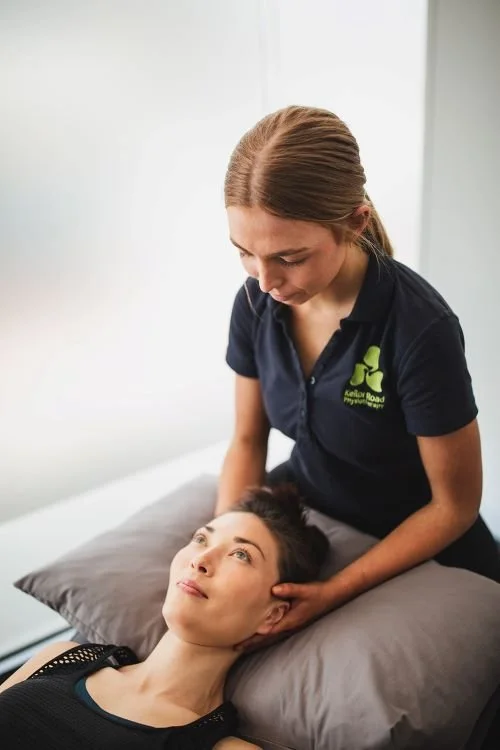
Best treatment for TMJ headaches Melbourne
When to See a Physiotherapist for TMJ Dysfunction?
You should consider seeing a physiotherapist if:
headaches are persistent
jaw clicking becomes painful
chewing causes pain
neck pain accompanies headaches
symptoms affect sleep
headaches are associated with jaw tension
symptoms persist despite rest
Early assessment and treatment may help reduce pain and prevent symptoms becoming more chronic.
Frequently Asked Questions - TMJ Headaches
Can TMJ cause migraines?
Yes. TMJ dysfunction can contribute to migraine symptoms in some individuals due to increased tension and irritation in the jaw, neck and facial muscles. Jaw clenching, poor posture and upper cervical stiffness may all increase stress around the head and neck, potentially aggravating migraine symptoms or triggering headaches that feel similar to migraines.
Why does my jaw click?
Jaw clicking commonly occurs when the disc within the temporomandibular joint does not move smoothly during jaw opening and closing. Clicking is not always painful, however if it is associated with headaches, locking, restricted movement or jaw pain, it may indicate underlying TMJ dysfunction that should be assessed.
Can stress worsen TMJ symptoms?
Yes. Stress commonly increases muscle tension around the jaw, face and neck, which can lead to increased jaw clenching and teeth grinding. Many people notice worsening headaches, facial tightness or jaw pain during periods of increased stress or poor sleep.
Can physiotherapy help TMJ dysfunction?
Yes. Physiotherapy is one of the primary conservative treatments for TMJ dysfunction and may help reduce muscular tension, improve jaw mechanics, improve neck mobility and reduce headache symptoms. Treatment often includes hands-on physiotherapy, TMJ rehabilitation exercises, posture correction and education around clenching and jaw overload.
Can neck pain contribute to TMJ headaches?
Yes. The neck and jaw are closely connected through shared muscles and nerve pathways. Reduced neck mobility, forward head posture and upper cervical stiffness commonly contribute to TMJ headaches, facial tension and jaw pain. Addressing neck dysfunction is often an important part of successful TMJ treatment.
What sleeping position is best for TMJ pain?
Sleeping on your back with supportive pillows is often recommended to reduce compression through the jaw and neck. Sleeping directly on the jaw or stomach sleeping positions may increase pressure on the temporomandibular joint and surrounding muscles, potentially aggravating symptoms overnight.
Should I see a physio or dentist for TMJ dysfunction?
Both may play an important role depending on the contributing factors. Physiotherapists commonly assess muscular tension, jaw movement, posture and neck dysfunction, while dentists may assist with teeth grinding, bite-related issues or night splints. In some cases, a combined treatment approach provides the best results.
How long does TMJ treatment take?
Recovery time varies depending on symptom severity, contributing factors and how long symptoms have been present. Many people notice improvement within several weeks of physiotherapy treatment and exercises, while more persistent or long-standing symptoms may take longer to fully resolve.
Can TMJ headaches go away without treatment?
Mild TMJ symptoms may occasionally improve with rest and reduced jaw loading. However, ongoing jaw clenching, poor posture or neck dysfunction may continue to aggravate symptoms if left untreated. Early physiotherapy management can help reduce the risk of symptoms becoming more persistent or chronic.
When should I see a physiotherapist for TMJ headaches?
You should consider seeing a physiotherapist if:
headaches are becoming frequent
jaw clicking becomes painful
chewing causes discomfort
jaw tension affects sleep
headaches are associated with neck pain or facial tension
Early assessment and treatment may help reduce pain, improve jaw function and prevent symptoms from worsening over time.
References
Armijo-Olivo, S., Rappoport, K., Fuentes, J., Gadotti, I. C., Major, P. W., Warren, S., & Magee, D. J. (2016). Head and cervical posture in patients with temporomandibular disorders. Journal of Orofacial Pain, 25(3), 199–209.
Fernández-de-Las-Peñas, C., Galán-Del-Río, F., Alonso-Blanco, C., Jiménez-García, R., Arendt-Nielsen, L., & Svensson, P. (2010). Referred pain from muscle trigger points in the masticatory and neck-shoulder musculature in women with temporomandibular disoders. The journal of pain, 11(12), 1295–1304.
La Touche, R., Fernández-de-las-Peñas, C., Fernández-Carnero, J., Escalante, K., Angulo-Díaz-Parreño, S., Paris-Alemany, A., & Cleland, J. A. (2009). The effects of manual therapy and exercise directed at the cervical spine on pain and pressure pain sensitivity in patients with myofascial temporomandibular disorders. Journal of oral rehabilitation, 36(9), 644–652. https://doi.org/10.1111/j.1365-2842.2009.01980.x
Schiffman, E., Ohrbach, R., Truelove, E., Look, J., Anderson, G., Goulet, J. P., & List, T. (2014). Diagnostic Criteria for Temporomandibular Disorders (DC/TMD) for clinical and research applications. Journal of Oral & Facial Pain and Headache, 28(1), 6–27.